After one whirlwind of a construction season, instream restoration at Gold Creek is complete!
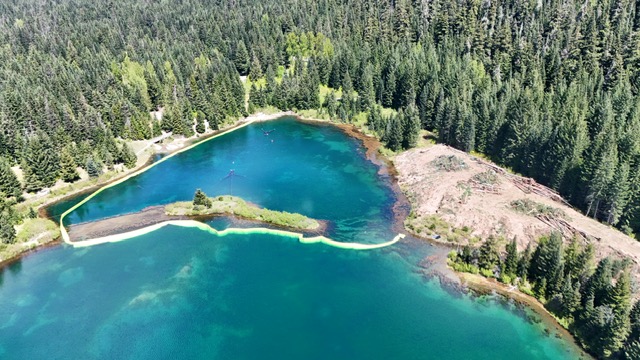
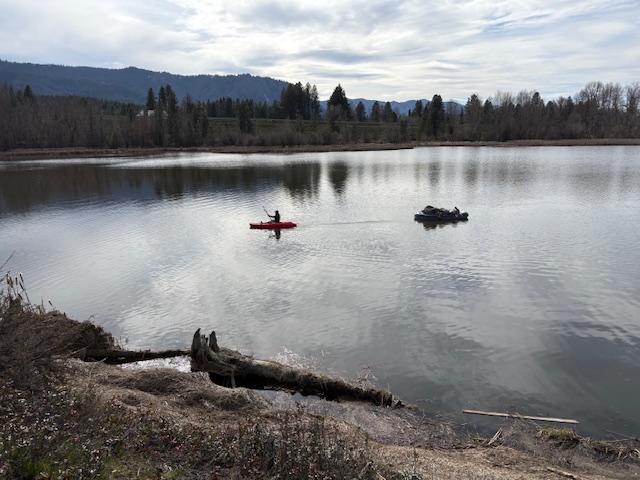
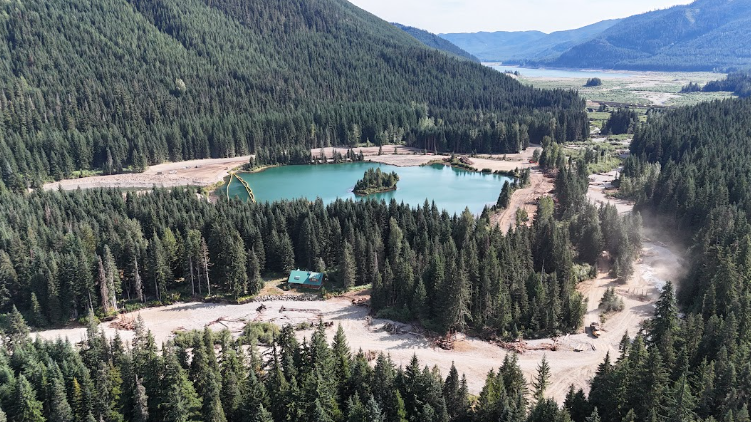
KCT was fortunate to have great teams in place for every aspect of implementation for this 2026 season. Construction began in May with site preparation and isolation, staging of materials, and fish rescue. US Fish and Wildlife Service put in a huge effort rescuing as many fish from Gold Creek Pond (aka gravel pit) as possible before any fill was placed into the pit. USFWS crews, assisted by the Yakama Nation and the US Bureau of Reclamation, were able to rescue over 8,000 fish out of the pit this season.
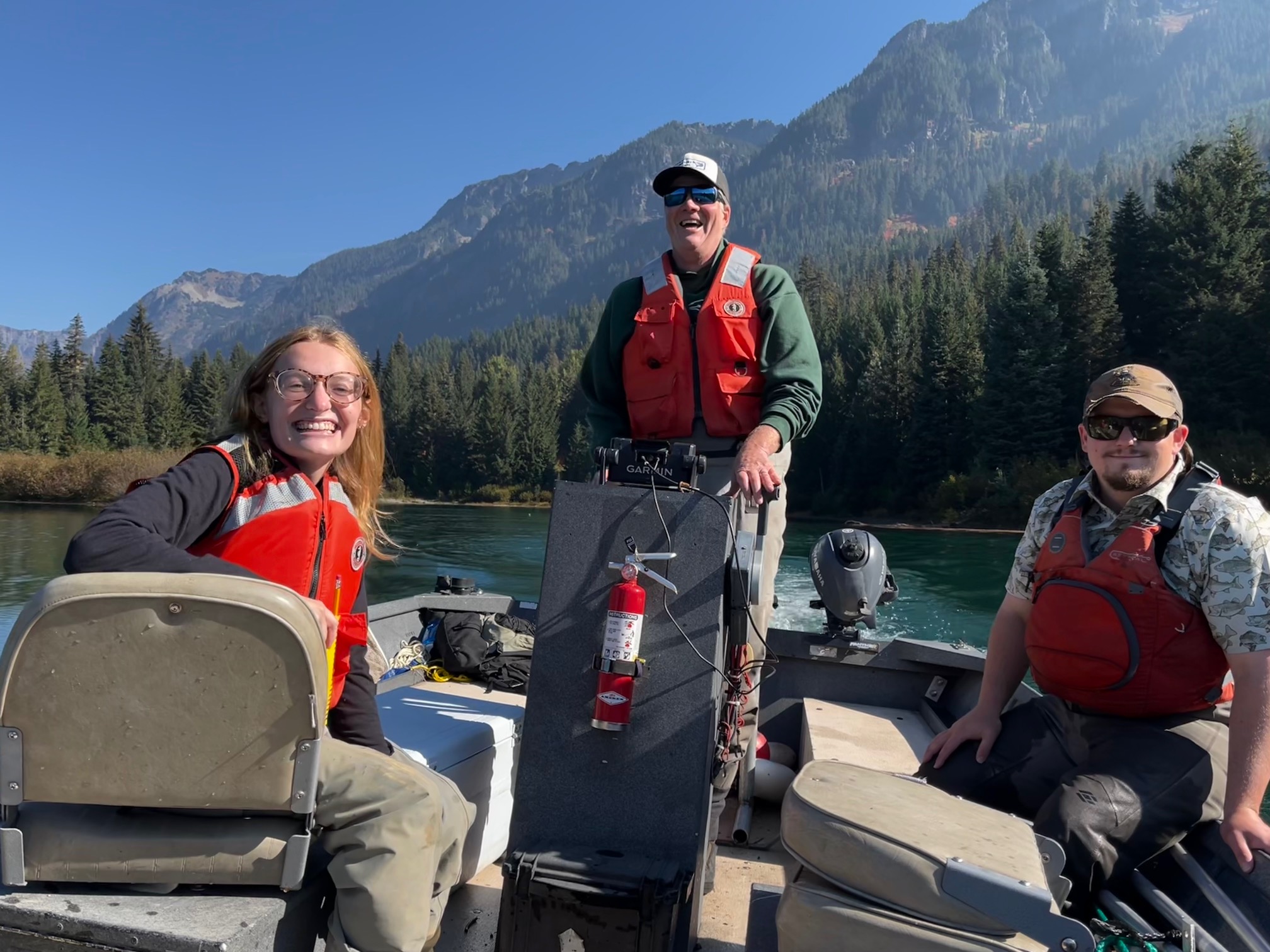
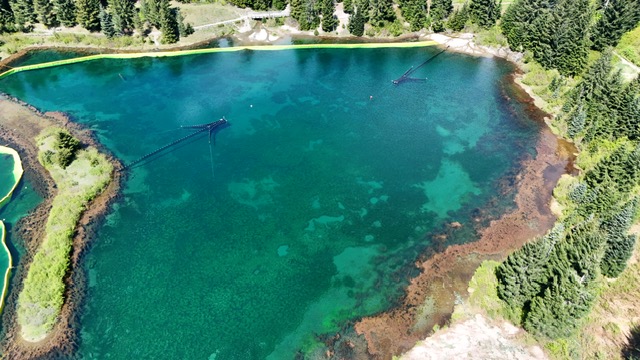
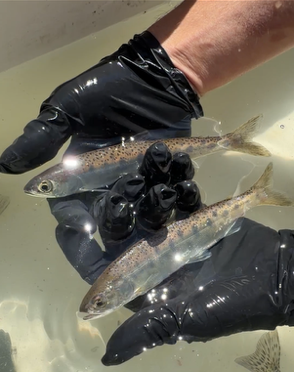
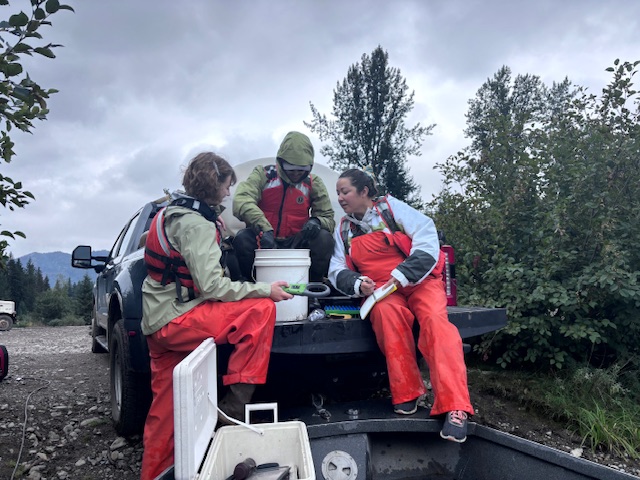
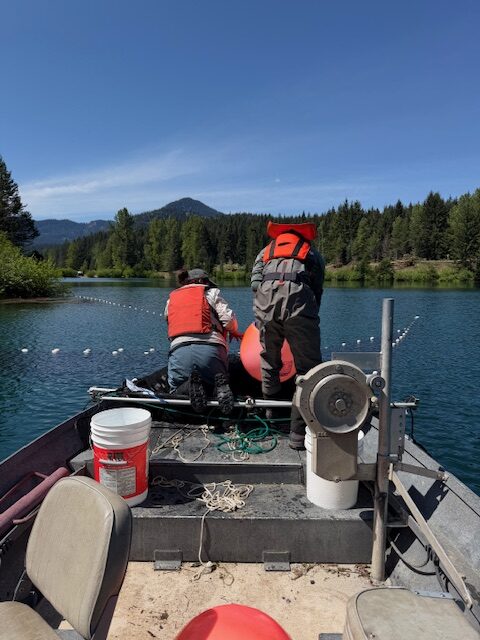
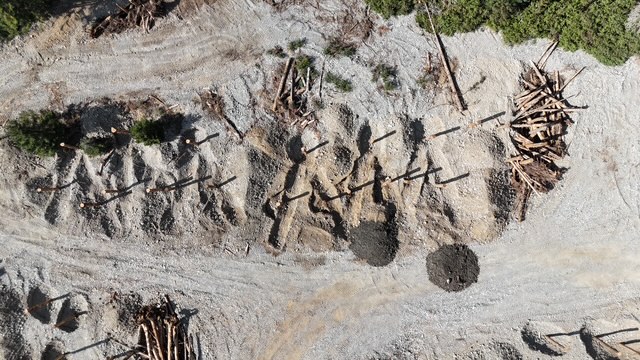
Once fish rescues were complete in our first target area for pond fill, KLB began scraping away the surrounding berms and placing the material into the gravel pit currently known as Gold Creek Pond.
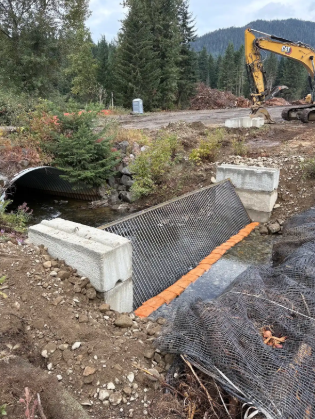
After a few weeks of great progress on pit fill, the cloud of turbidity began to make its way down the pond outlet channel and into Gold Creek. This was the beginning of the torturous turbidity trials of 2026.
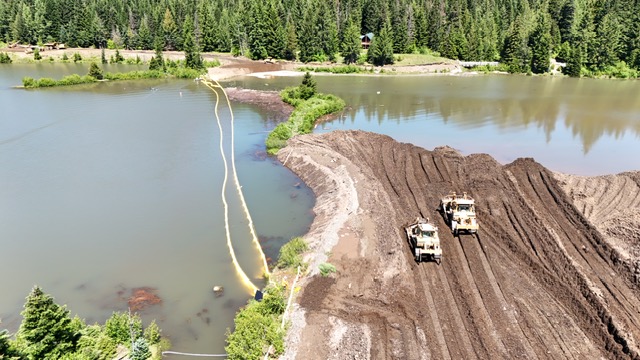
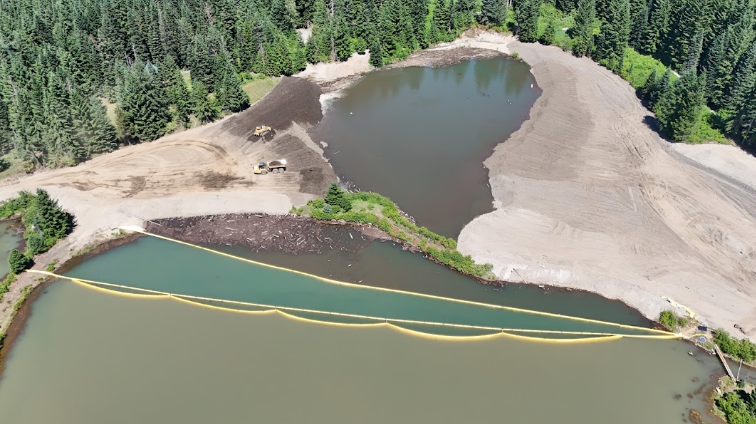
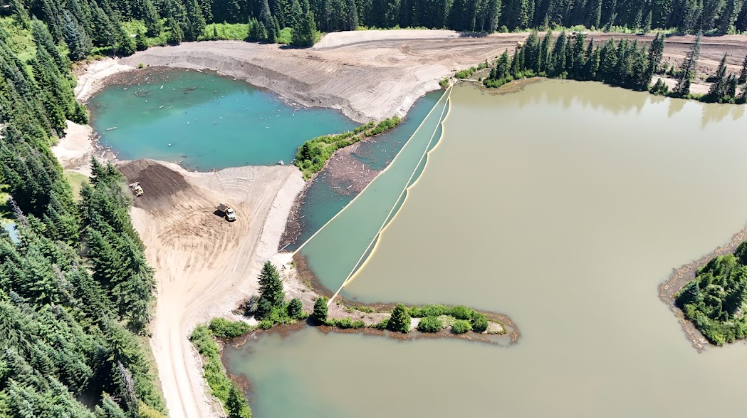
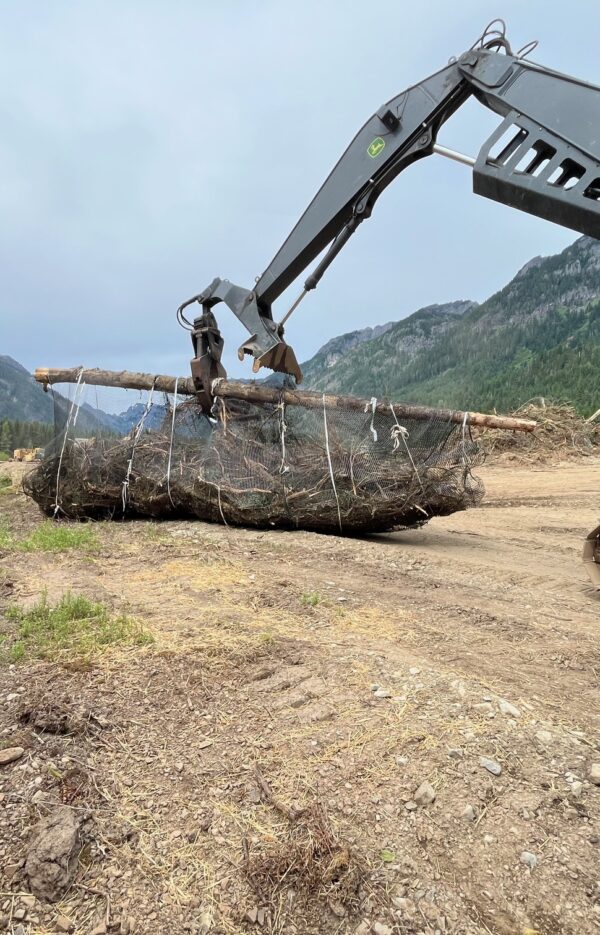
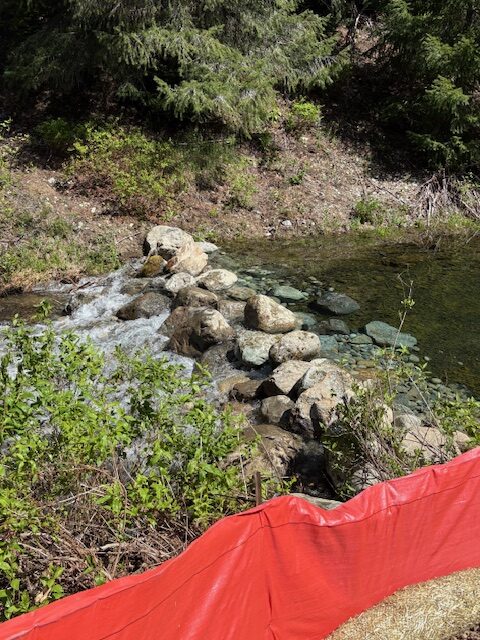
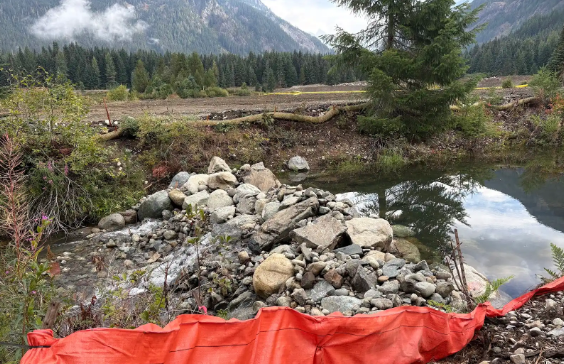
KLB and their newfound turbidity expert, Brad, tirelessly tested every turbidity solution they could think of, from standard curtains to the more creative slash burritos.
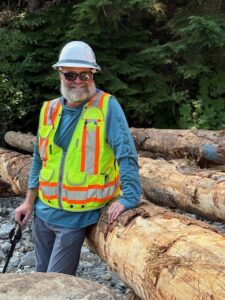
Brad brainstorming turbidity controls
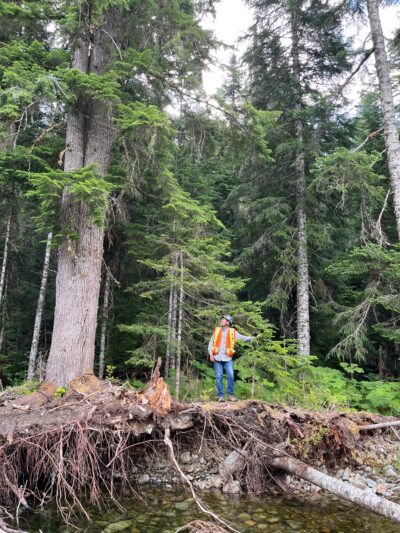
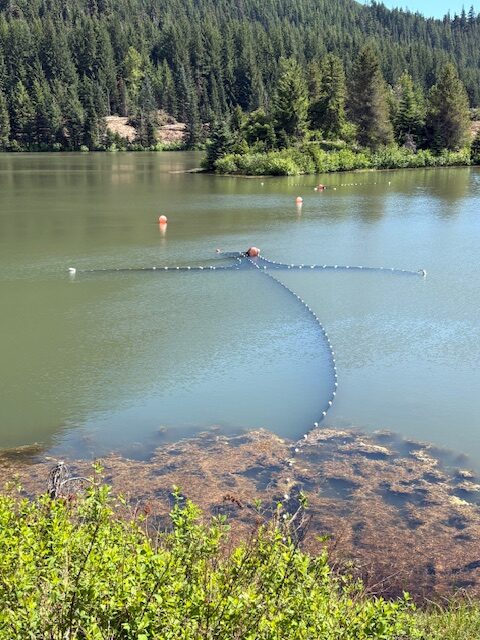
Semi Permeable Turbidity Curtain
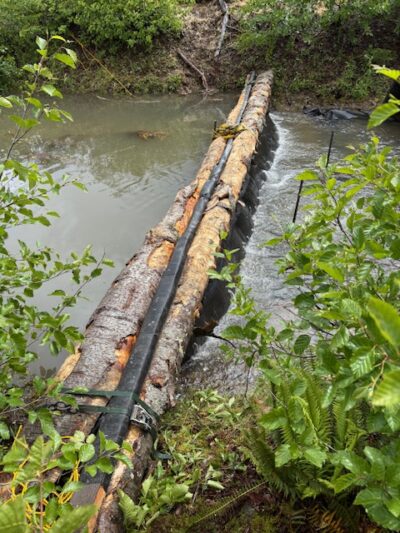
Slash Burrito
Rock Barbs and Straw Bales
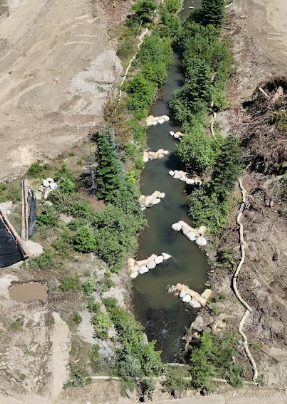
Another challenge of filling the pit was fish exclusion. As it turns out, salmon and trout adapted to life in headwater rivers and streams can be remarkably good at getting past things that really seem like they should be barriers. Finding the best methods to keep fish from reentering the pit was another ongoing struggle. Turbidity and fish exclusion trials and tribulations continued through much of the construction season.
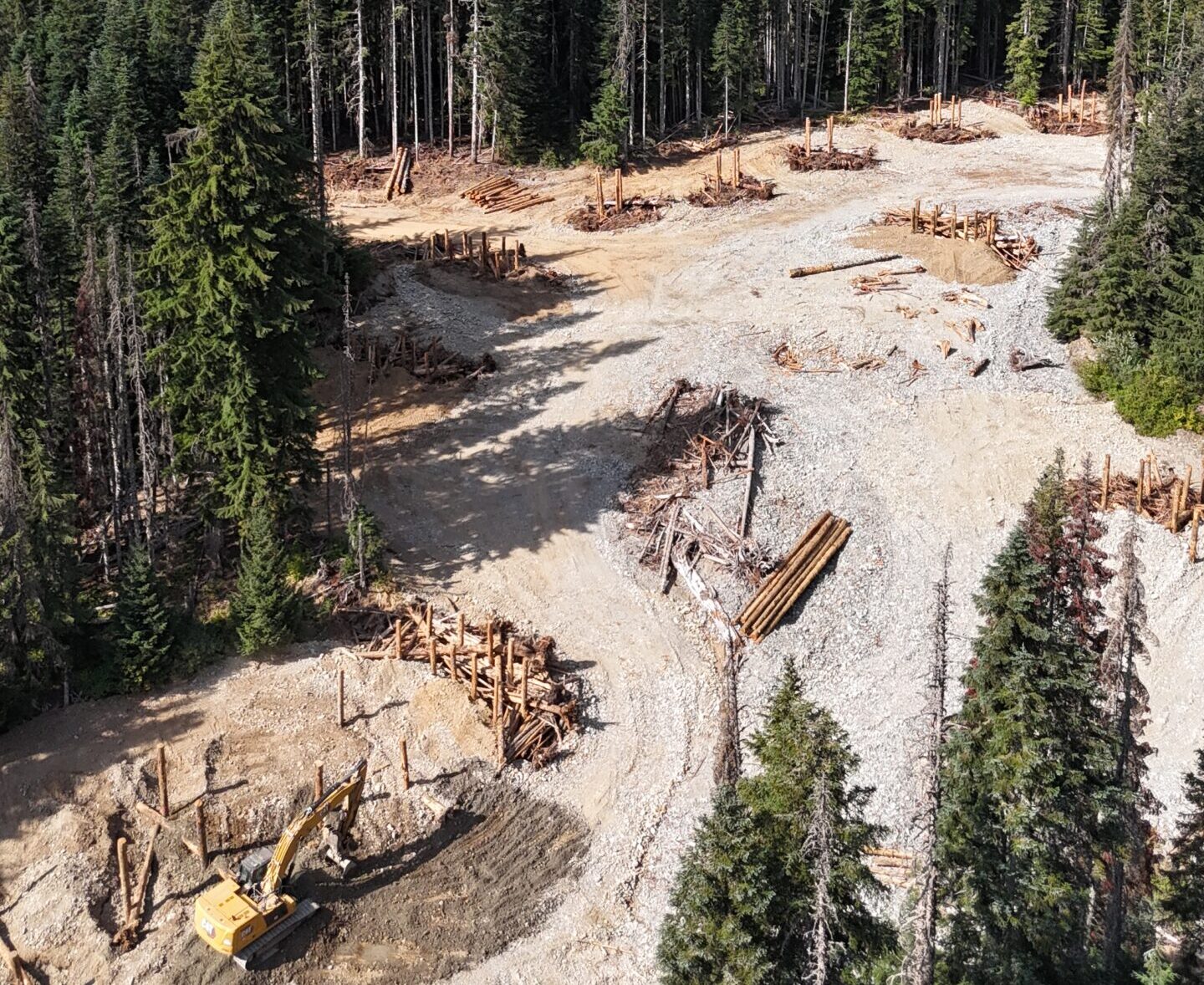
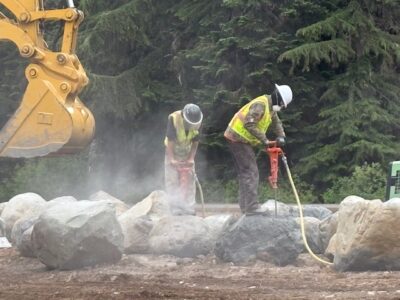
With a crew of around 30 people each day during peak construction, KLB Construction was always multitasking. While pit fill was taking place, other crews were working hard to get logs, rootwads, boulders, and bundles of racking material ready for helicopter transport.
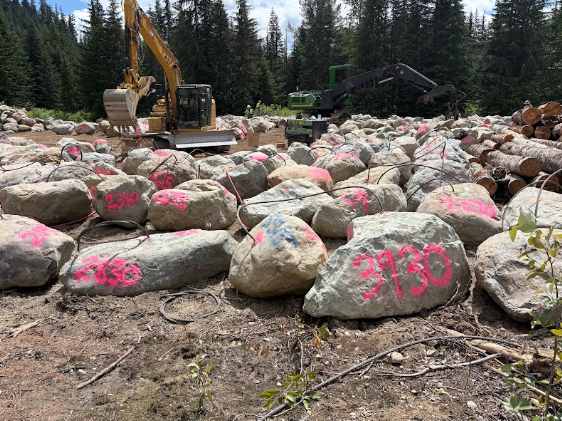
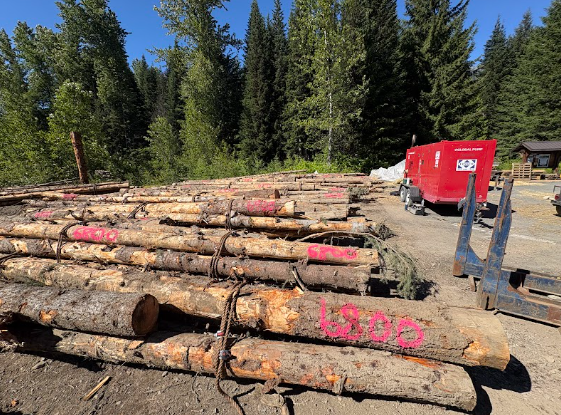
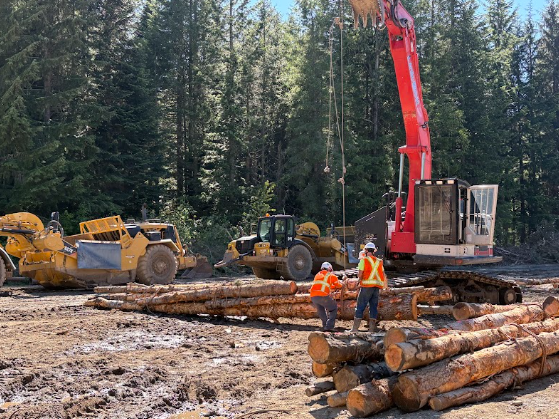
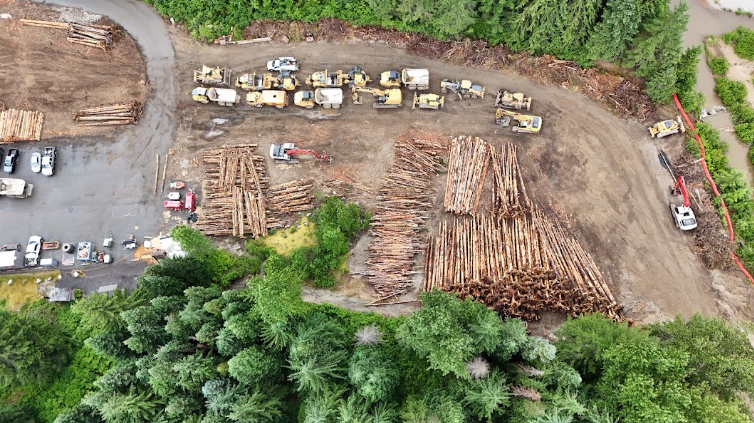
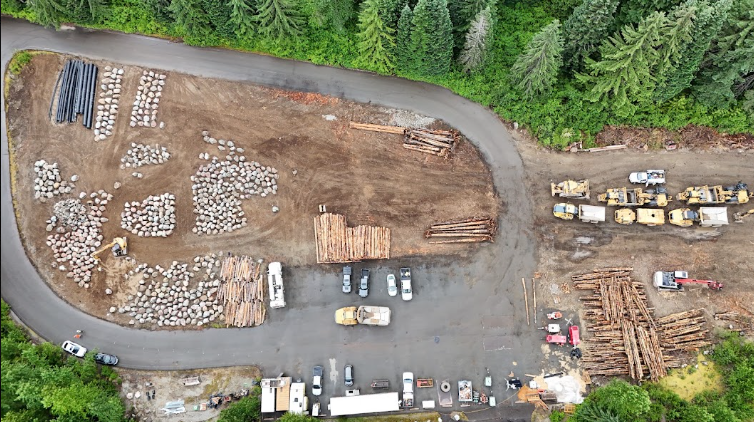
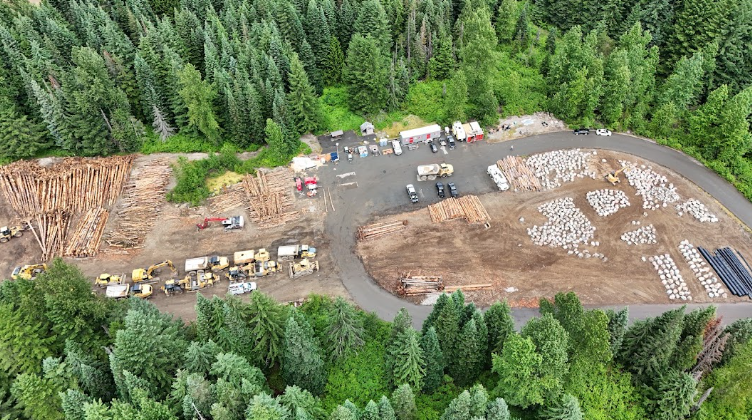
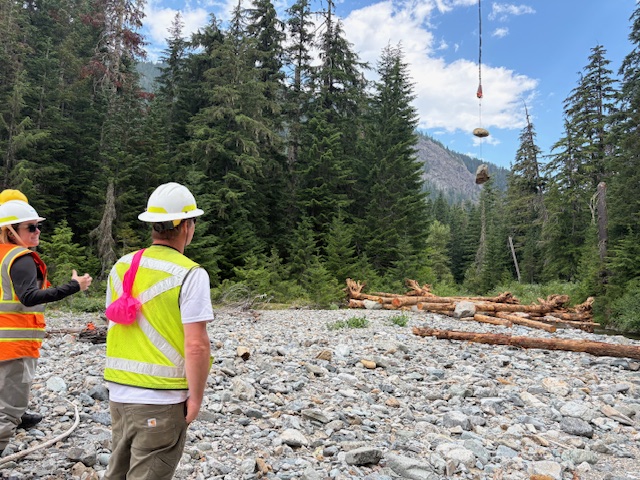
The in-water work window began on July 16. That same day, Columbia Helicopters began constructing Engineered Log Jams (ELJs) in river mile (RM) 2-3 of Gold Creek. The next eight days flew by, as the intrepid team from Columbia Helicopters, pilots and ground crew alike, constructed all 28 planned structures in RM 2-3, and placed additional boulders and logs with rootwads to supplement existing log jams in this reach.
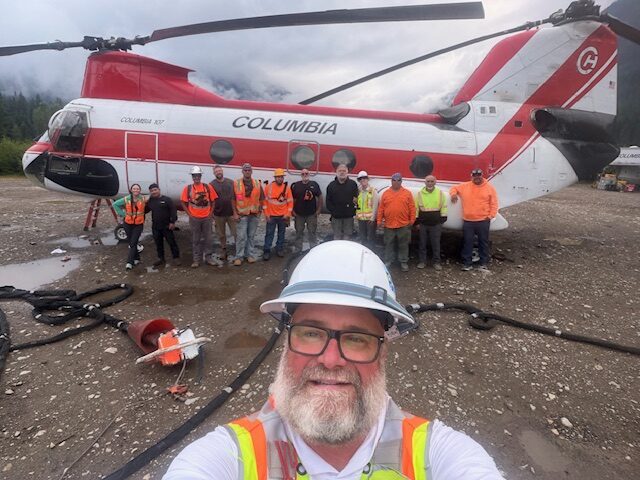
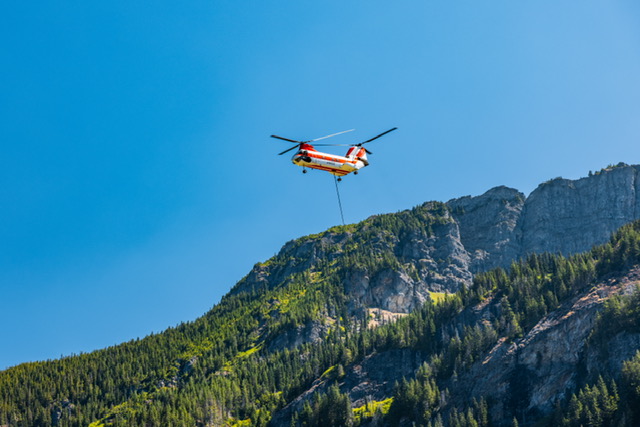
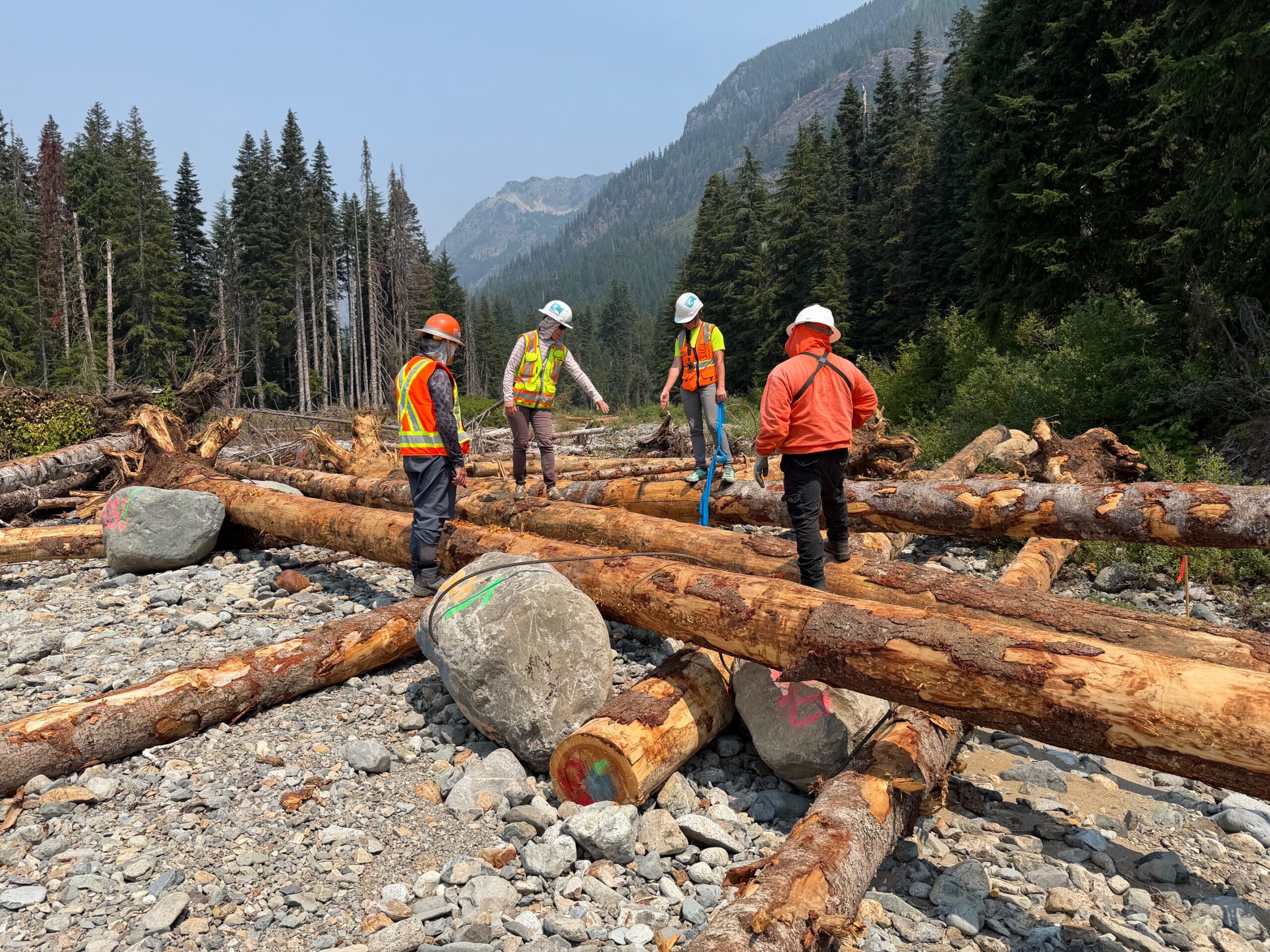
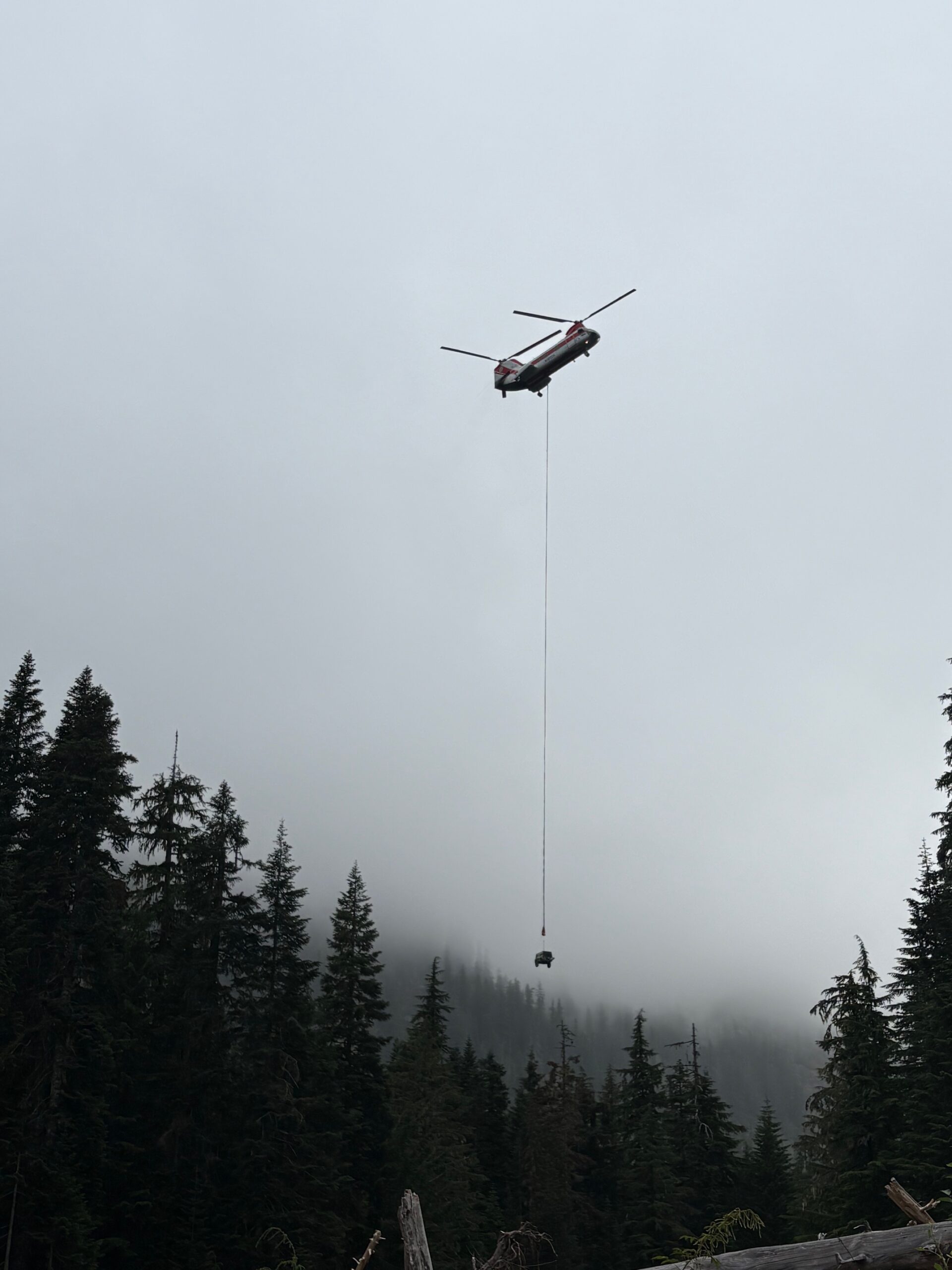
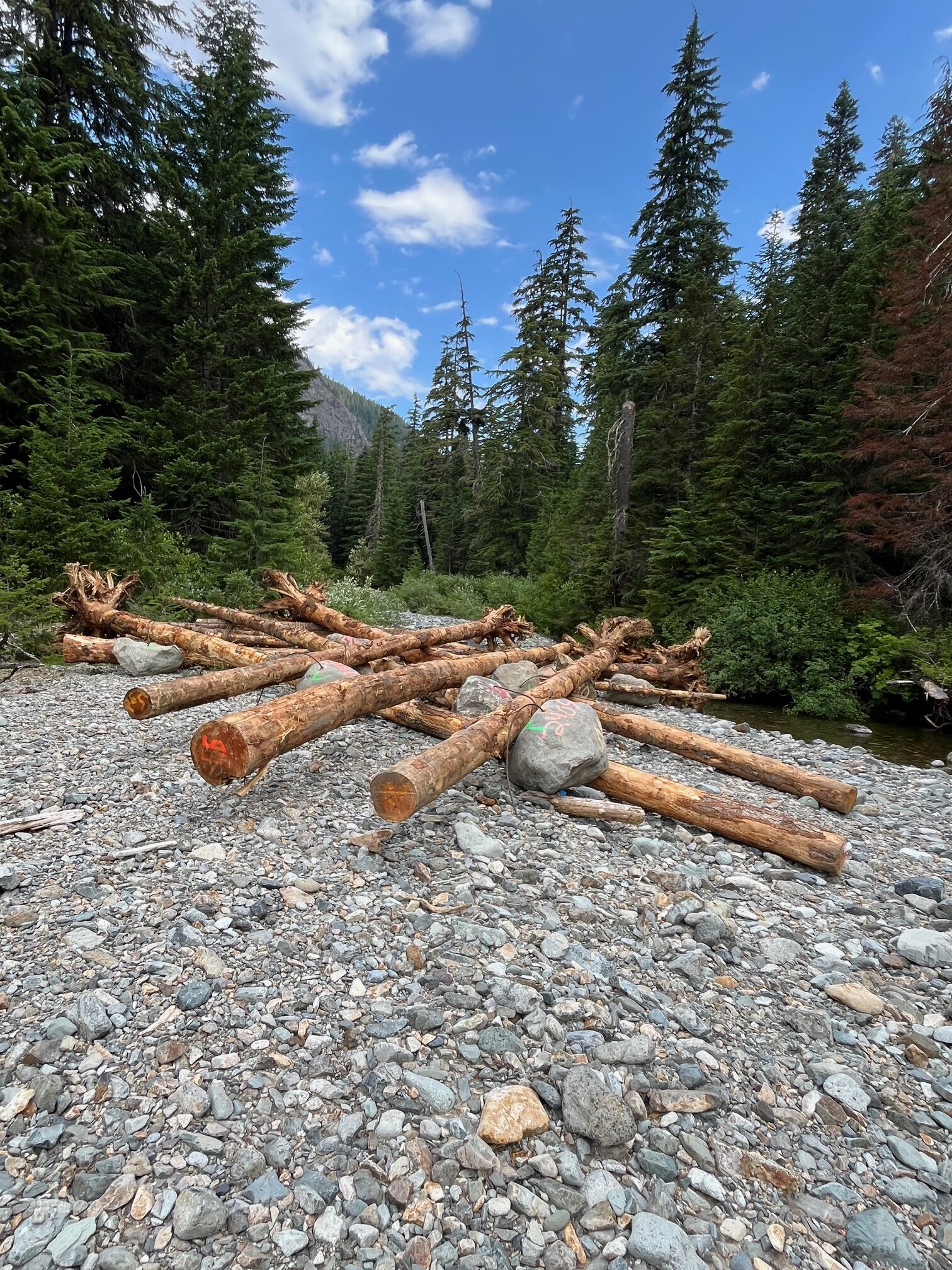
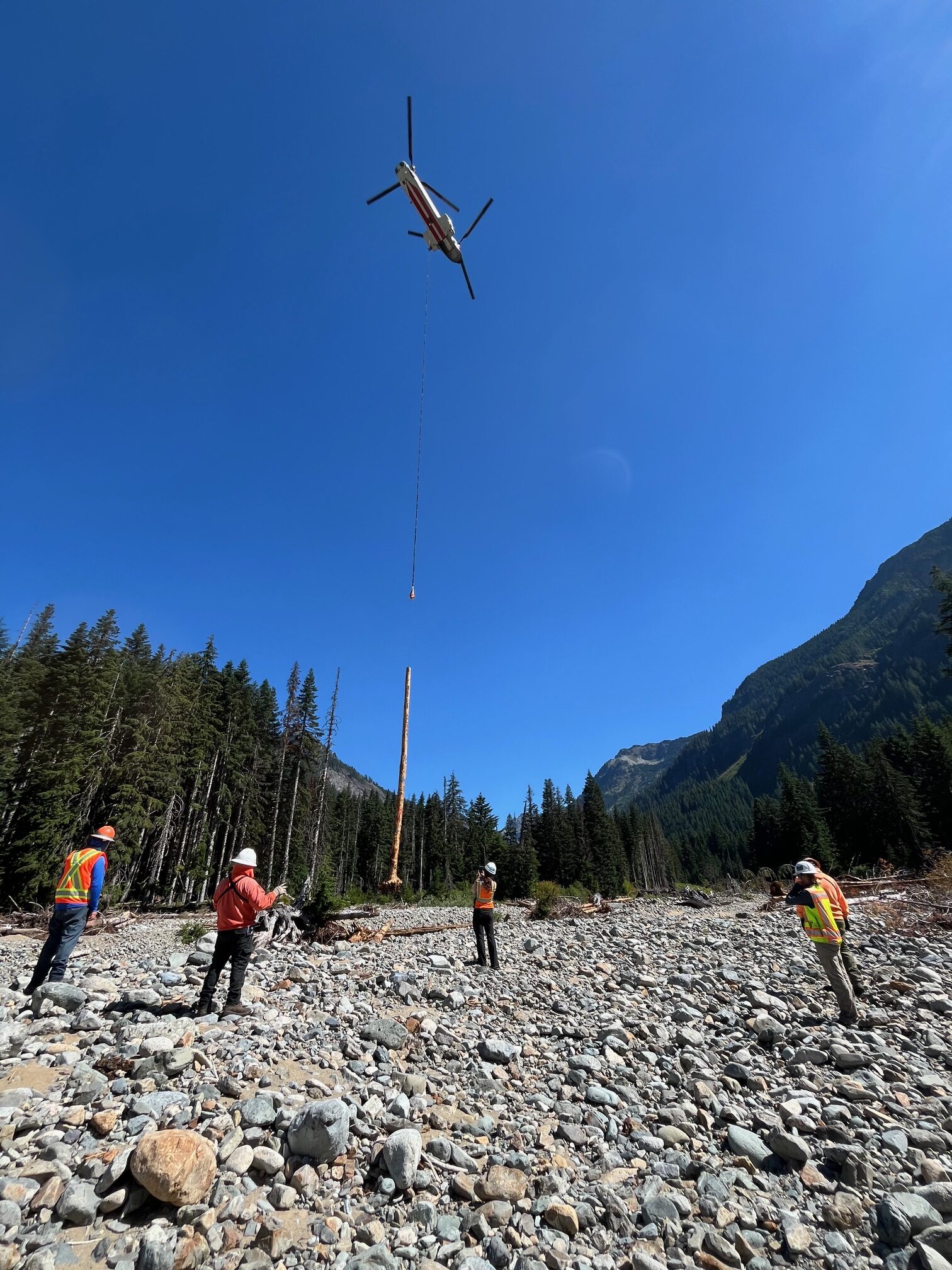
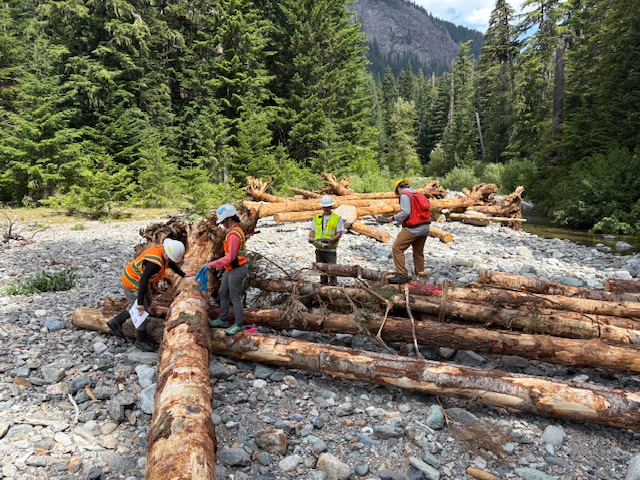

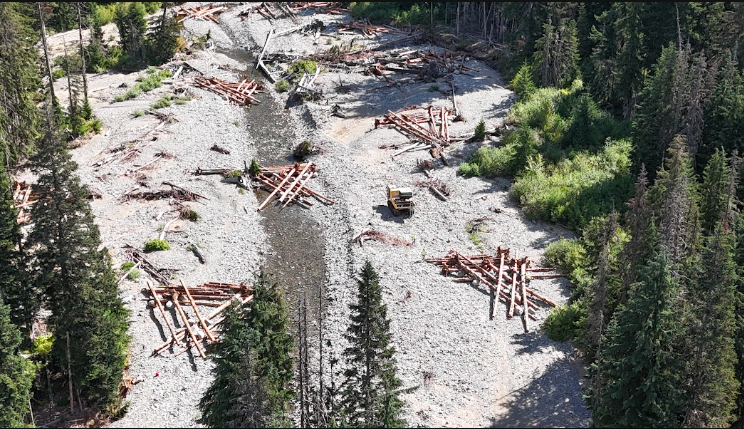
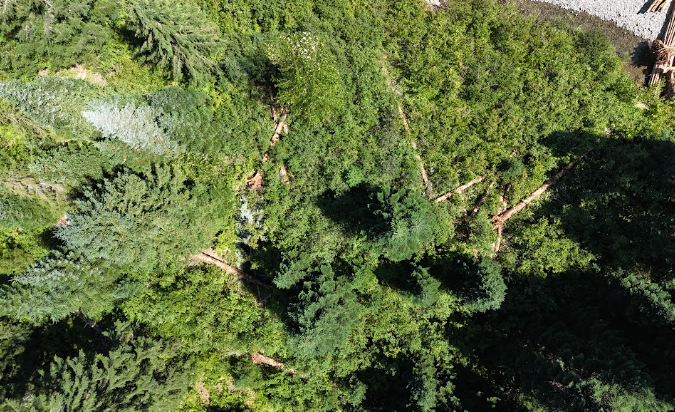
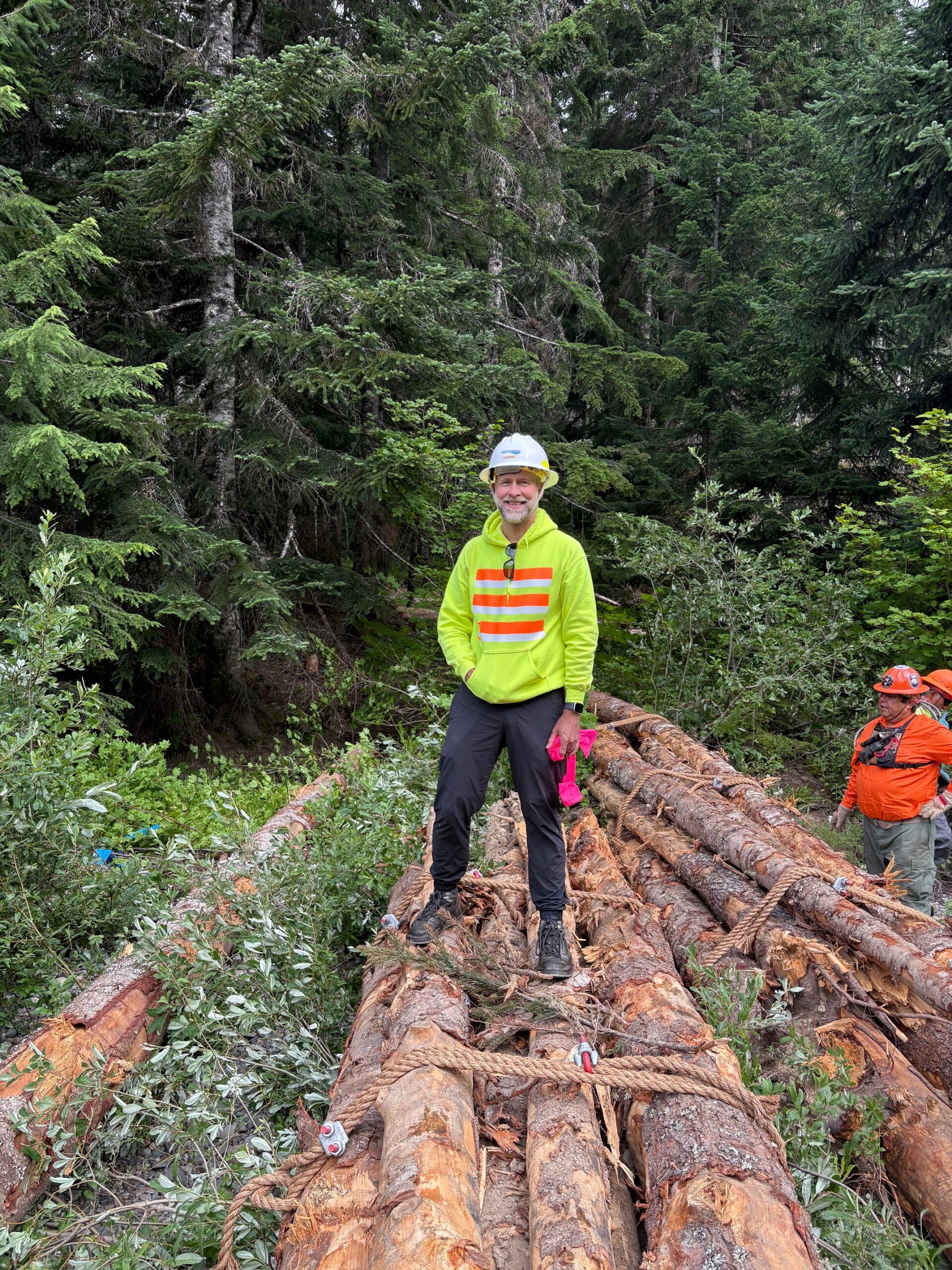
Once the helicopter flew away and flight operations were complete, KLB ground crews busted their backs cutting and removing all the cables and making all the bolted connections for each of the 28 ELJs in RM 2-3. In total they made nearly 450 bolted connections! Not to mention, there was a mile or more of hiking and bushwhacking in, with tools, to get to the upper end of their work area.
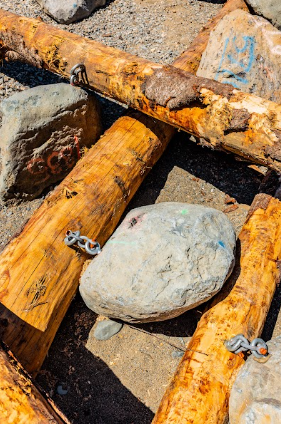
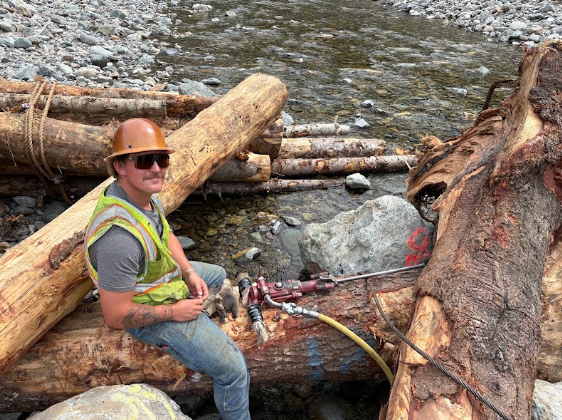
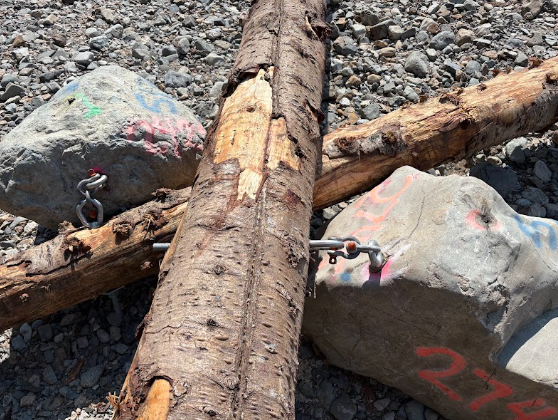
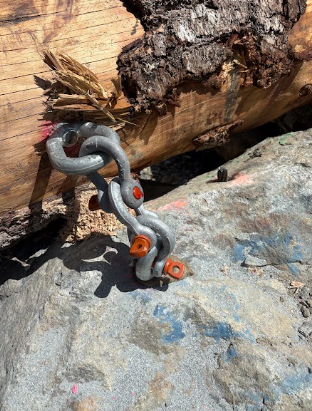
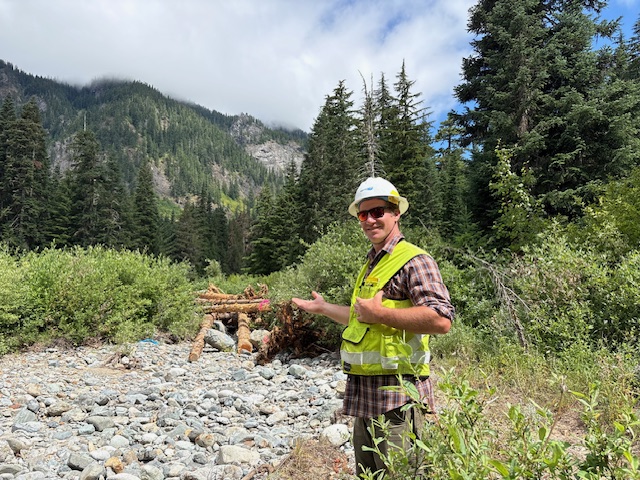
As ground crews worked to complete the helicopter-built structures in RM 2-3, KLB equipment operators went ham on ELJ construction in RM 0.5-2 of Gold Creek. In just six weeks, they had an entire mile of side channels excavated and had all 139 ELJs under various stages of construction.
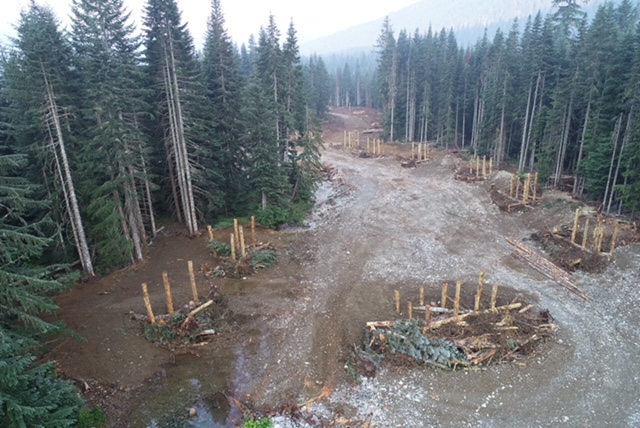
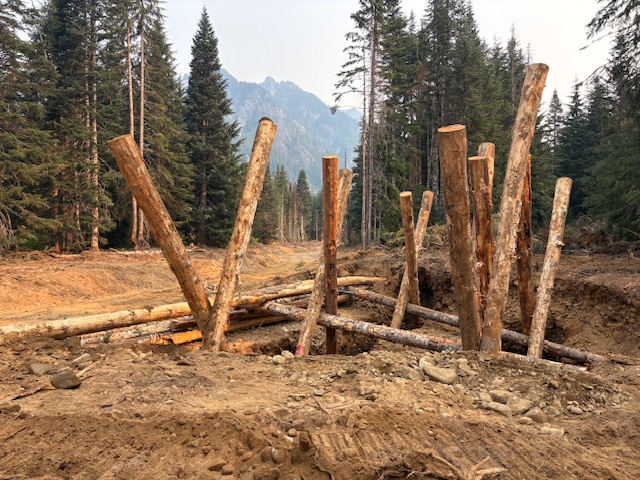
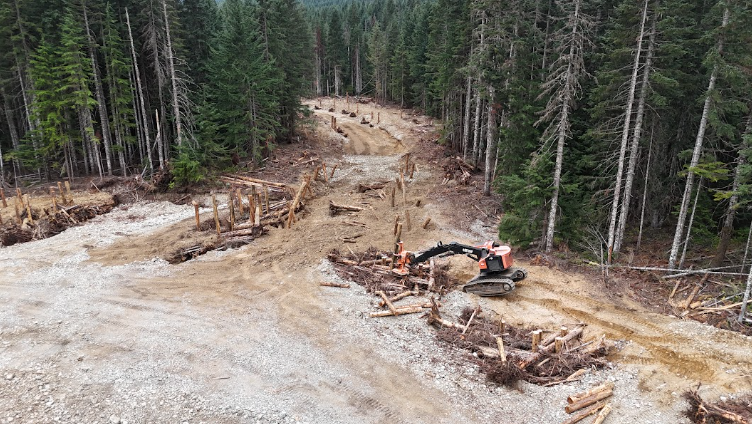
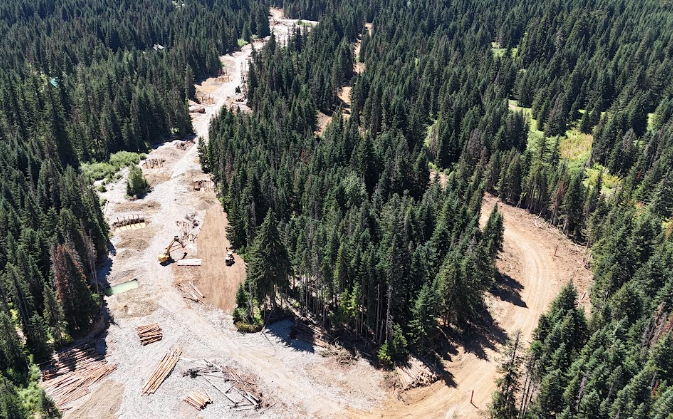
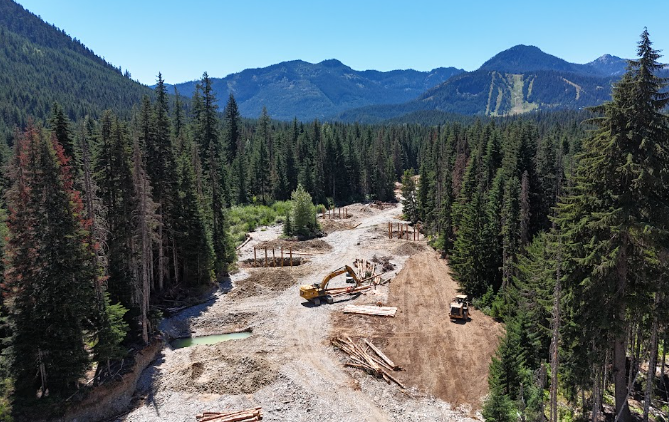
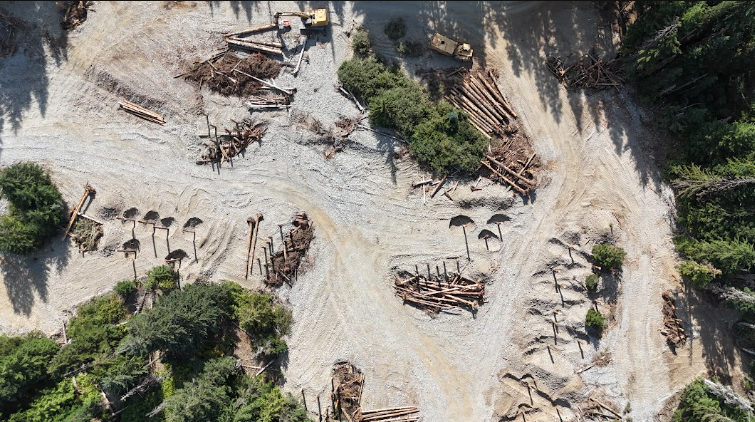
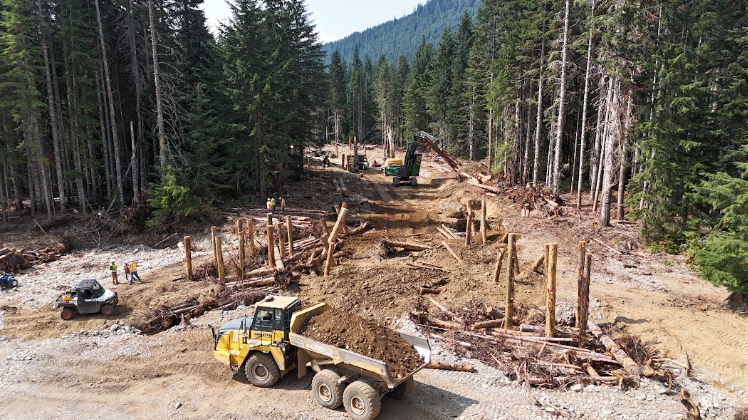
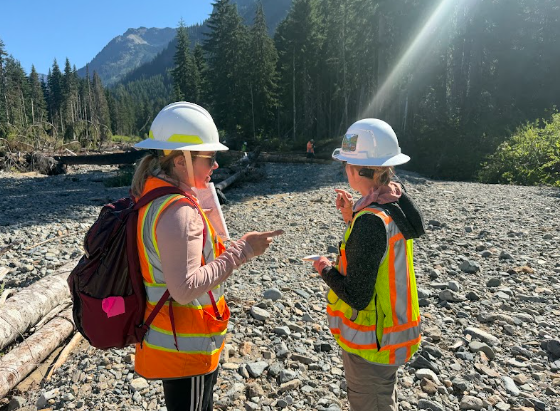
The engineering team for Gold Creek from Natural Systems Design (NSD) had staff on site nearly every day of construction, ensuring each structure, side channel, and inset floodplain was placed, constructed, and graded following design specifications.
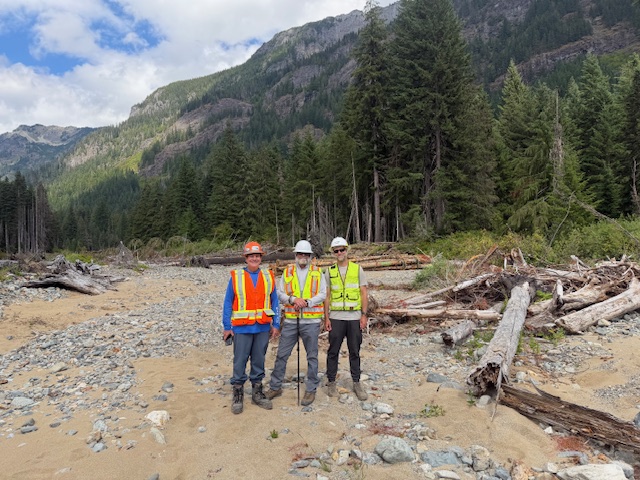
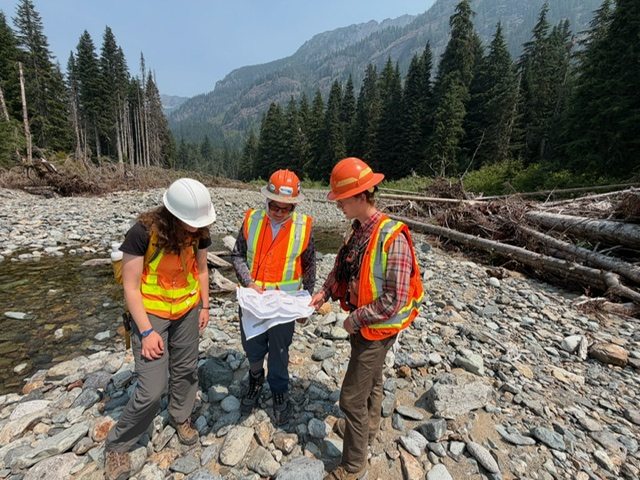
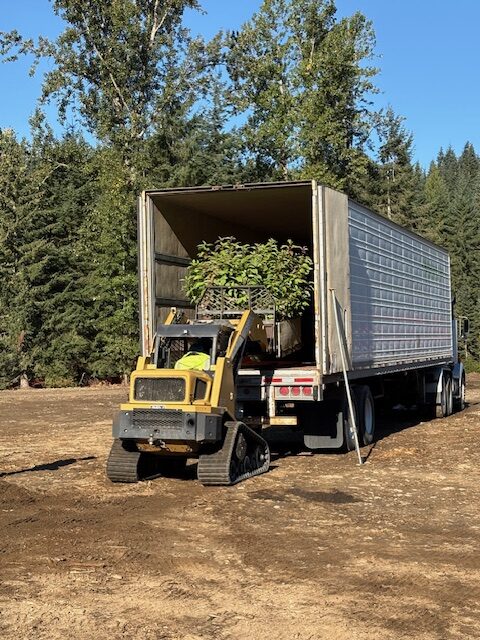
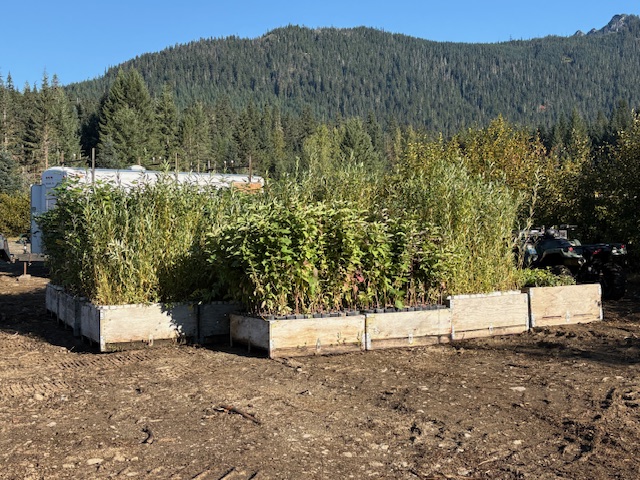
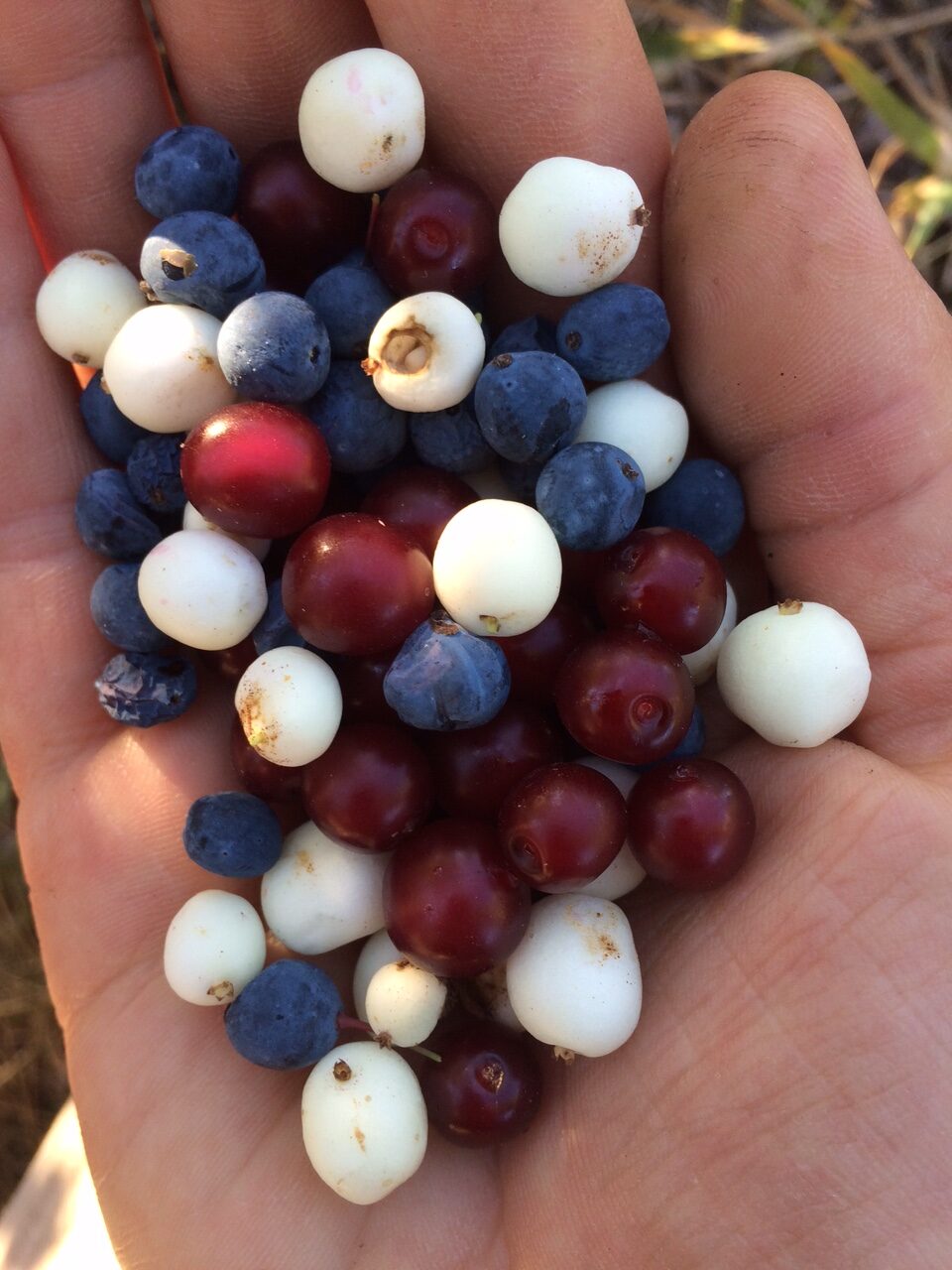
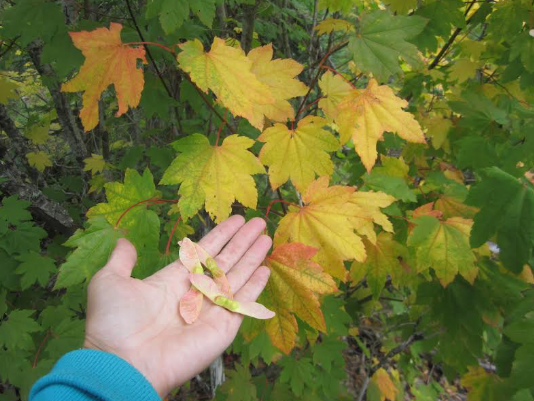
Once all structures were complete, Wildlands Inc. mobilized, bringing in over 15,000 plants for installation. These plants were started from seeds meticulously collected by USFS Botanists Kelly Evans and Helen Lau, ensuring plants are genetically adapted to the specific conditions in Gold Creek Valley.
Wildlands Inc used their stinger, an excavator attachment that allows deep planting, to plant all 15,283 plants across 15 acres. This method of deep planting will ensure each plant is as close as possible to reach groundwater and give them the best chance to survive and thrive.
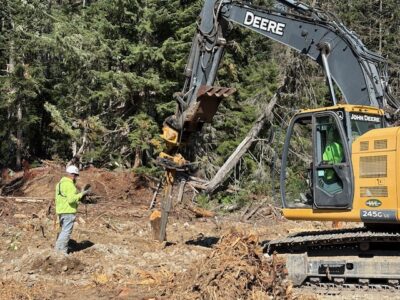
Planting started at the most upstream planting area at RM 2, and worked downstream. KLB crews followed Wildlands out, reestablishing the Gold Creek channel and decompacting the access route.
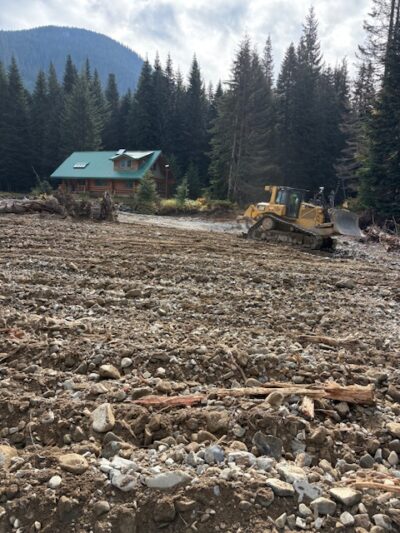
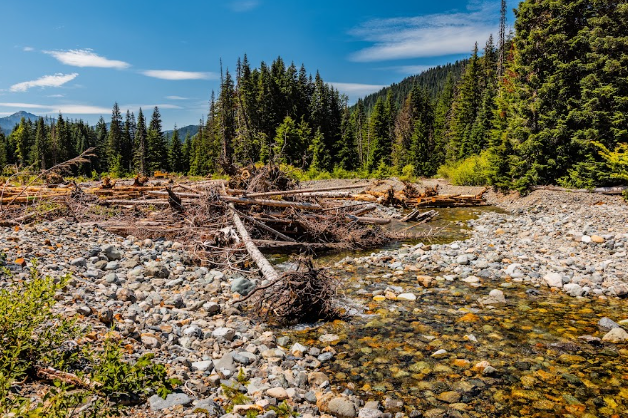
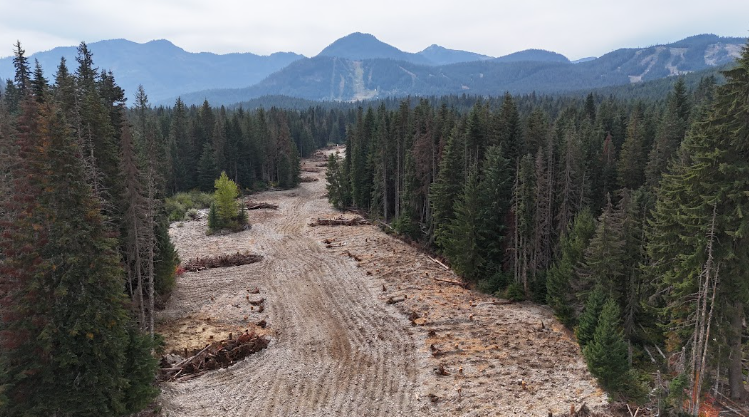
After five short months, all 2.5 miles of Gold Creek instream restoration is complete and 1 mile of seasonal side channels are reconnected. These actions have resulted in the reconnection of 245 acres of floodplain.
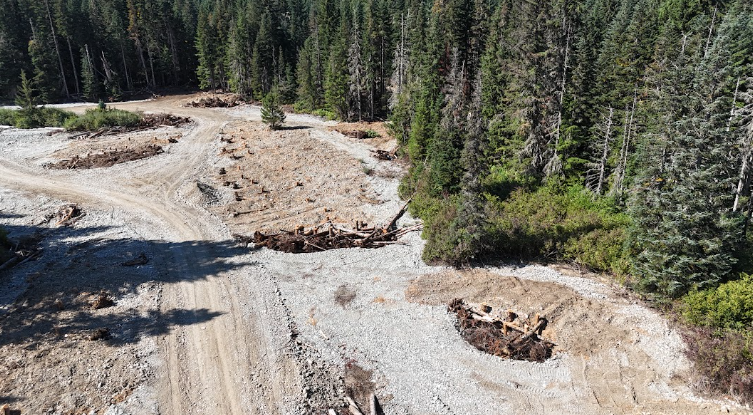
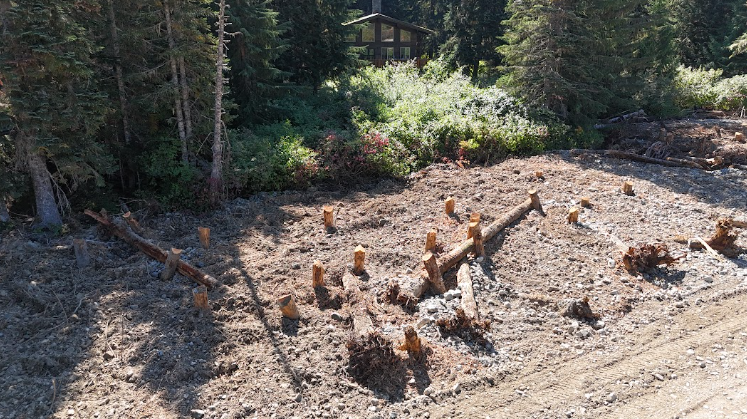
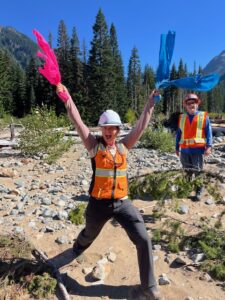
None of this work could or would happen without all of the amazing people who have worked so hard on this project. KCT staff, funders, partners, permitters, and contractors have all made this work possible. Thank You! To everyone who has worked on the Gold Creek Valley Restoration Project over the years. Below are some, but certainly not all, of the dedicated people who have helped this project succeed.
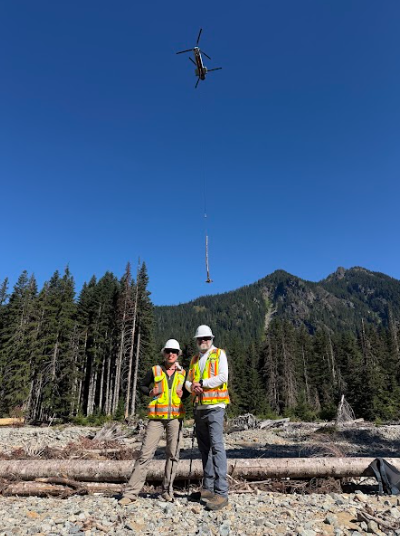
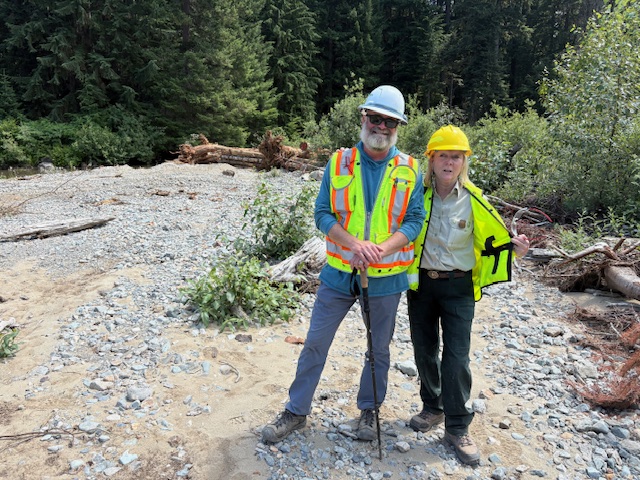
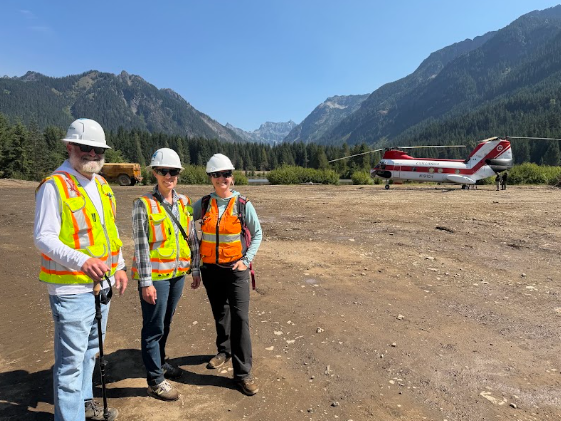
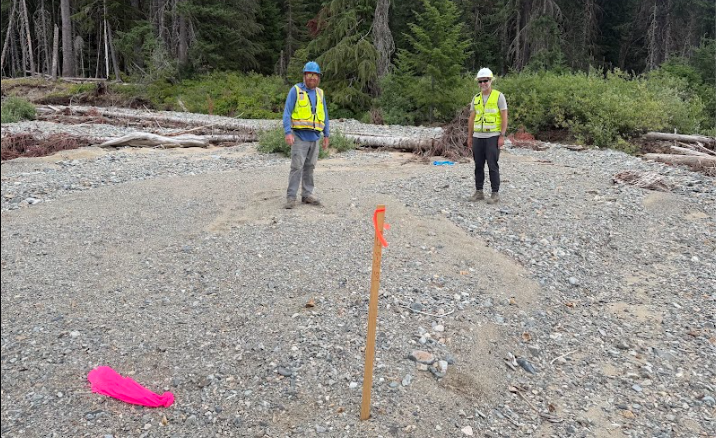
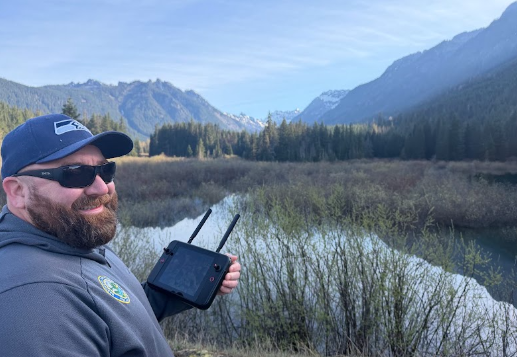
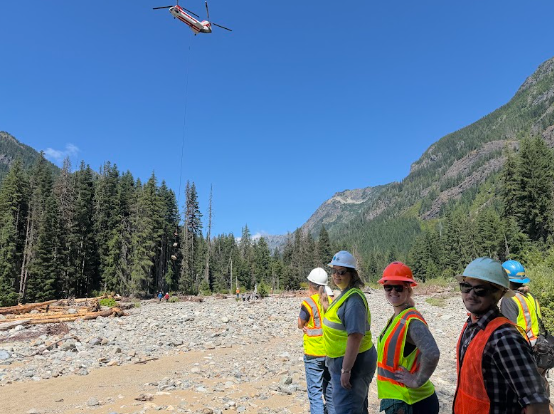
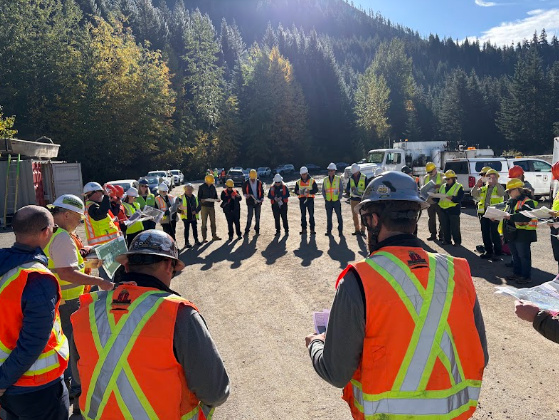
Gold Creek Partners


To learn more about KCT’s restoration efforts in Gold Creek Valley, please visit our Gold Creek Valley Restoration project page.

Protect the Lands You Love
We love this amazing area and we know you do too! From the alpine environment at Snoqualmie Pass to the shrub steppe habitat of the Yakima River Canyon, Kittitas County is home to an amazing diversity of habitat types. These special places are under increasing pressure from development. The population is projected to grow by 40% in our rural areas in the next 20 years. This growth makes it more important than ever to protect our lands before it is too late, and you can help.
Your support will ensure critical habitat in Kittitas County remains accessible and healthy for wildlife, fish, and people. Just $25 or more for the year will preserve important habitat and restore streams and rivers that have been degraded by human impacts.