
Upper Kachess River Restoration
Completed November 2025
When settlers constructed dams in the upper Yakima Basin without fish passage in the early part of the 20th century, lake and river ecosystems were profoundly impacted. One species that was particularly affected was bull trout. These dams isolated headwater populations of bull trout from one another on a local and regional scale. Furthermore, the dams stopped salmon, an important food source for bull trout, from returning to these systems. Many of these bull trout populations, including the upper Kachess River population, are in decline. To this end, this project aimed to improve migratory, spawning, and habitat conditions for this population before they disappeared forever.
Project Details
Date Completed
Phase I Completed Summer, 2023
Phase II Completed November, 2025
General Area
Upper Kachess River Floodplain near Mineral Creek Trailhead
Funding $ 4,042,998.00 Outcomes Improved habitat for bull trout
Project Objectives
More than a century of landscape modifications for water storage, logging, mineral extraction, and recreational development had altered the geomorphological and ecological processes of the Kachess Watershed, leaving it in a degraded state. The mature old growth forest that occupied the historic Kachess River Valley was clear cut, and large wood that would have been naturally recruited into the system was eliminated. Large wood in a river system such as Kachess is essential for supporting proper ecosystem function. Prior to KCT’s restoration, Kachess River suffered from:
- Poorly established riparian zones
- Eroding stream banks
- Lack of in-stream complexity (i.e. large wood, deep pools)
- A disconnected floodplain and tributaries
- Insufficient juvenile refugia (i.e. side channels, deep pools, woody cover)
- Recreation impacts causing degraded water quality
This project worked to facilitate the natural recovery of the Kachess River through the:
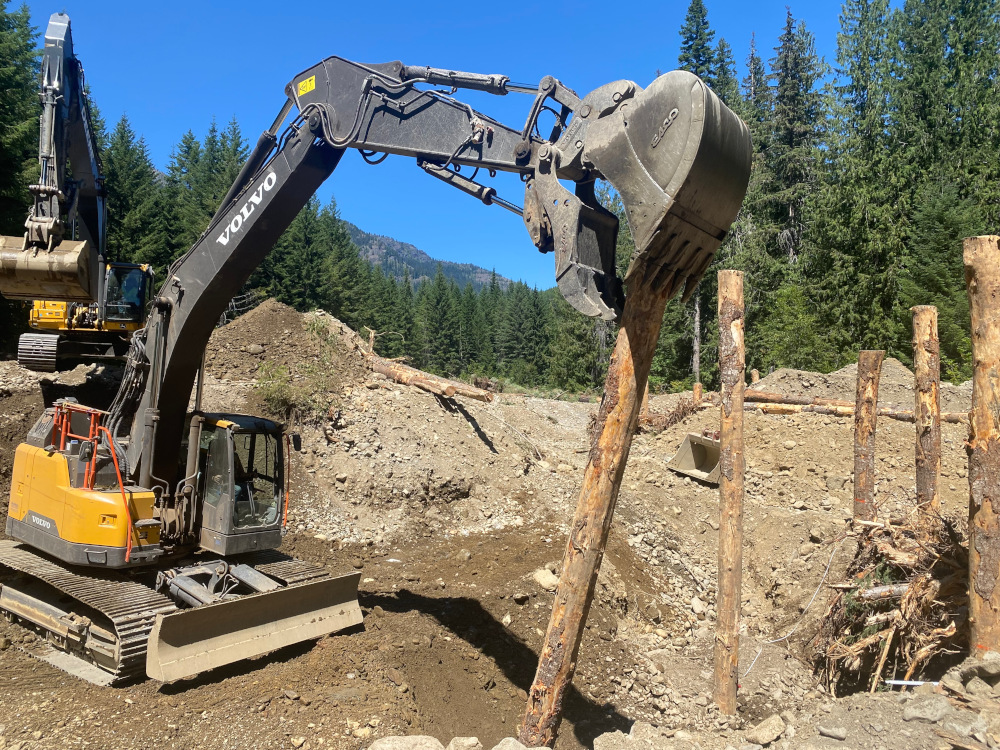
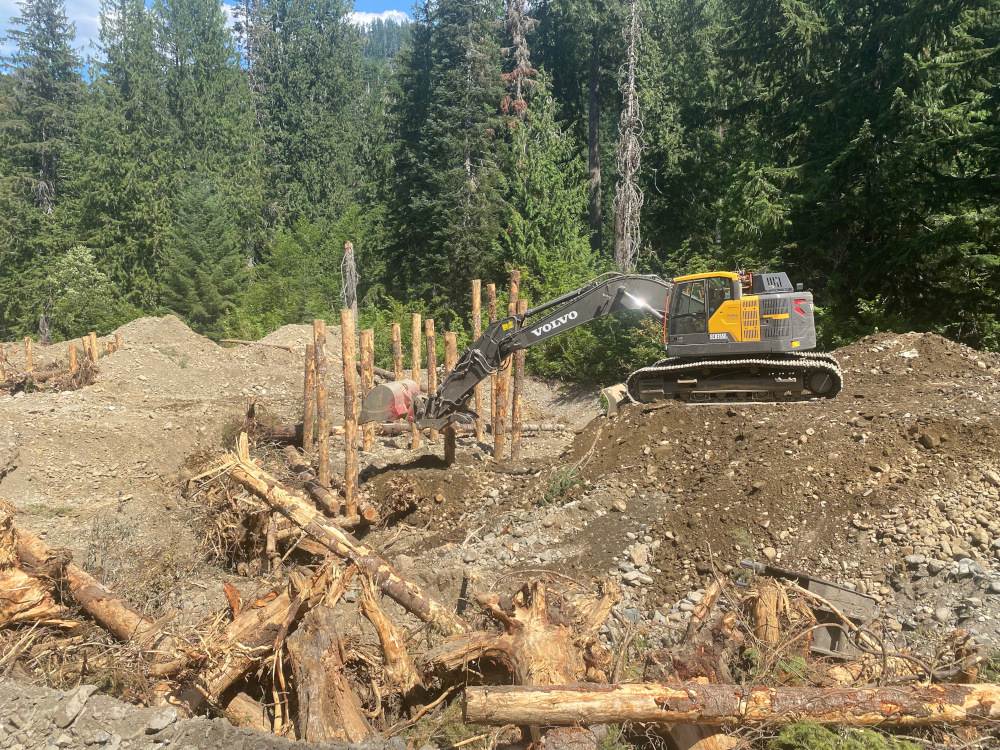
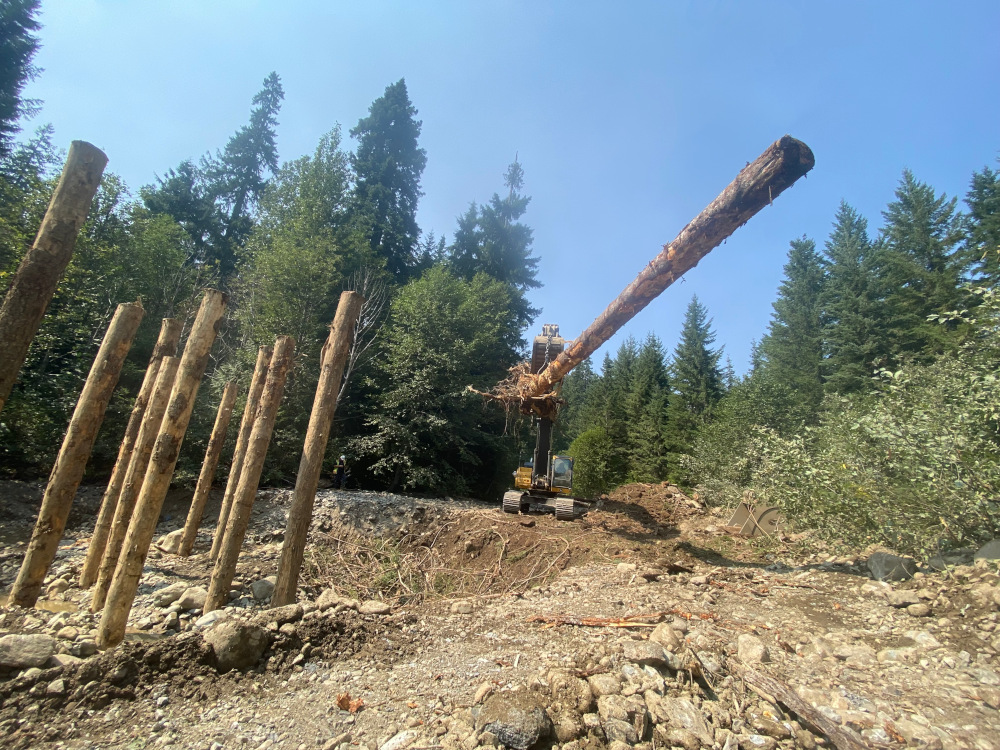
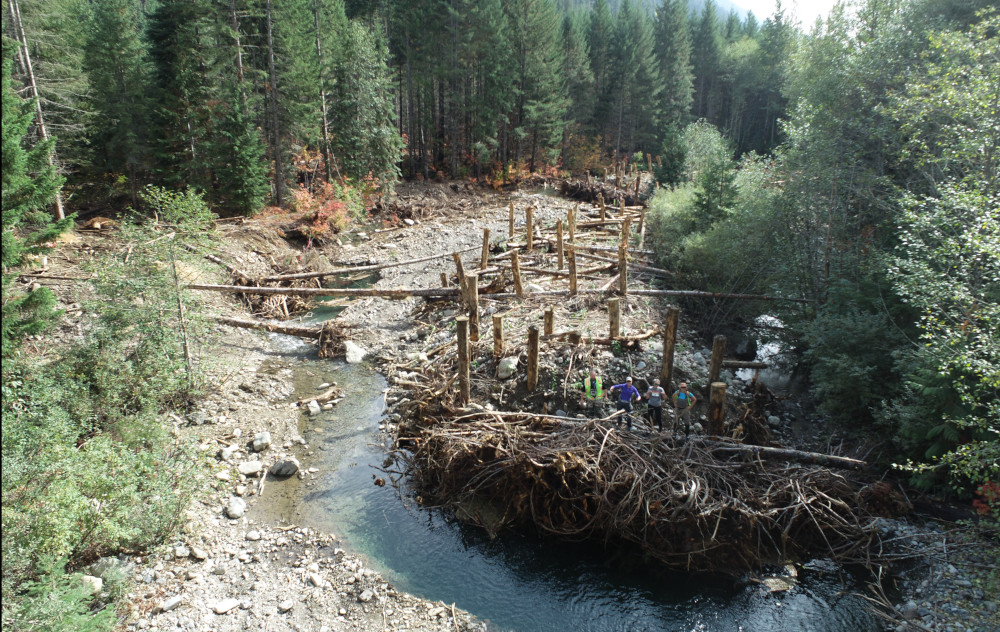
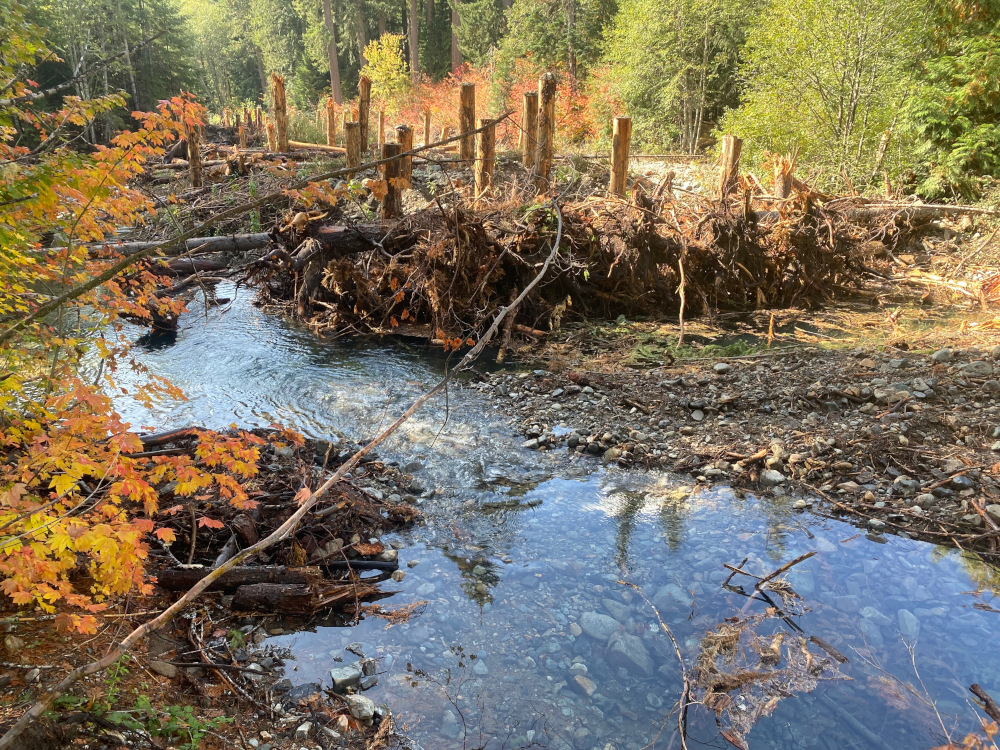
- Installation of 61 in-stream large wood features that dissipate high energy flows, reconnect floodplains and tributaries, stabilize stream banks, and provide essential habitat for migrating and rearing Bull Trout.
- Creation of deep, groundwater fed pools to provide cold water refuge for fish during low flows.
- Planting 7 acres of native vegetation to stabilize soils, shade the stream, and provide cover for the fish.
- Development of nearly 1,000 feet of new side-channel habitat to provide refuge for juvenile fish during high-flow events (such as spring high flows, or freshets).
- Reconnection of 13 acres of tributaries and floodplain to recharge groundwater aquifers.
Phase II of the project relocated the Mineral Creek trailhead and parking area outside of the floodplain, and the road to the former parking area was partially decommissioned and modified to reduce sediment delivery into Watermelon Creek (a tributary of Kachess River). This reduction of erosion and sediment transport will help improve water quality in not only Watermelon Creek, but Kachess River as well.
Project Outcomes By the Numbers
| Miles of in-stream restoration | 1.0 |
|---|---|
| Large wood structures installed | 61 |
| Pieces of large wood added to channel | 1,441 |
| Scour holes connected to groundwater created | 21 |
| Acres of main stem and adjacent riparian/banks treated | 19 |
| Acres of floodplain activation, tributary connection, and side channel creation | 13 |
| Native plants planted | 14,624 |
| Total acres planted | 7 |
| Total area seeded with native species | 13.63 acres |
| Miles of road decommissioned | 2.15 |
| Channel and bank stabilization features created | 32 |
| Trailheads Moved/Rebuilt | 1 |
Phase I Photos
Phase II Photos
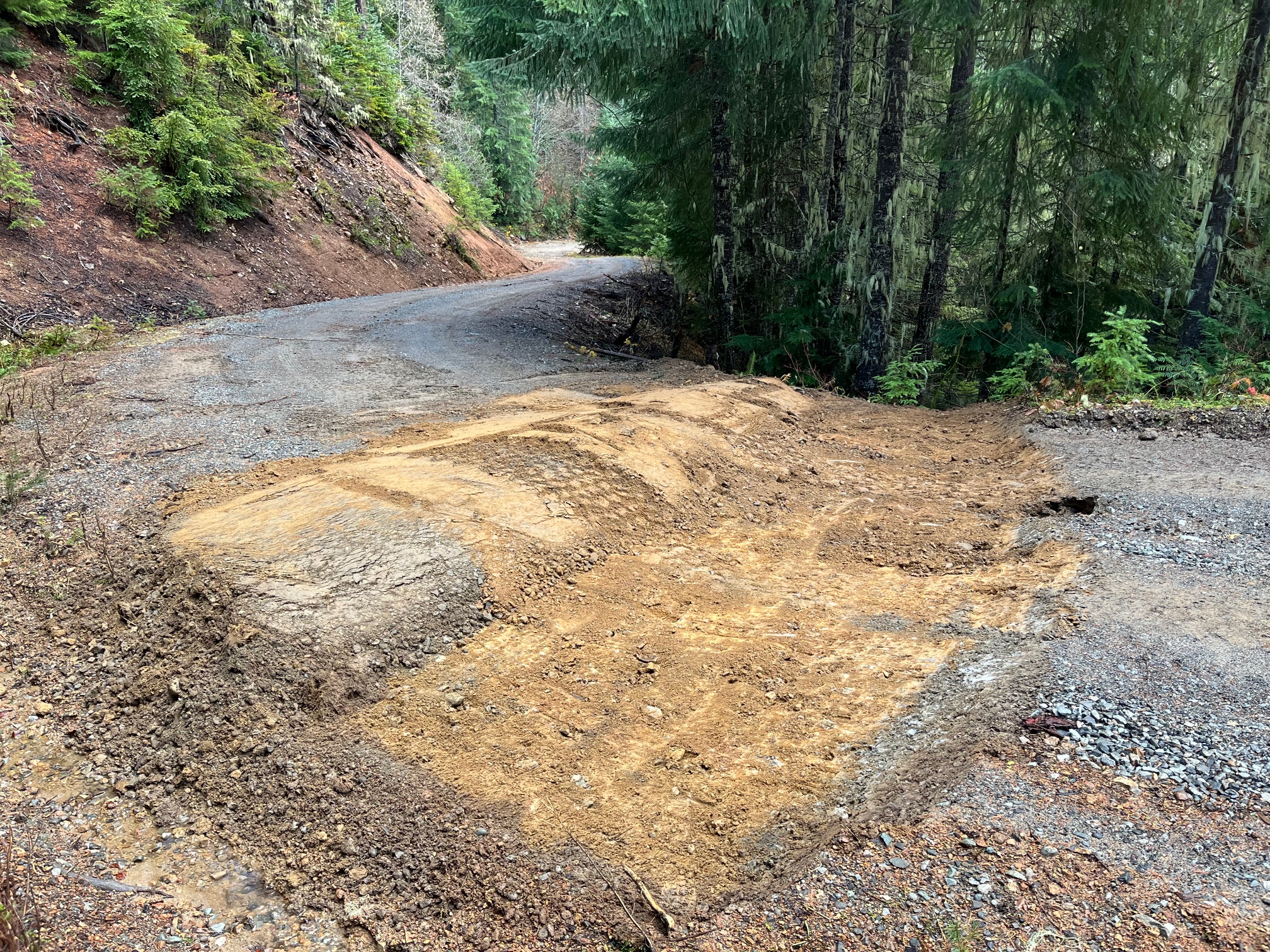
WB4.3
One of 4 waterbars installed to reduce sediment delivery adjacent streams
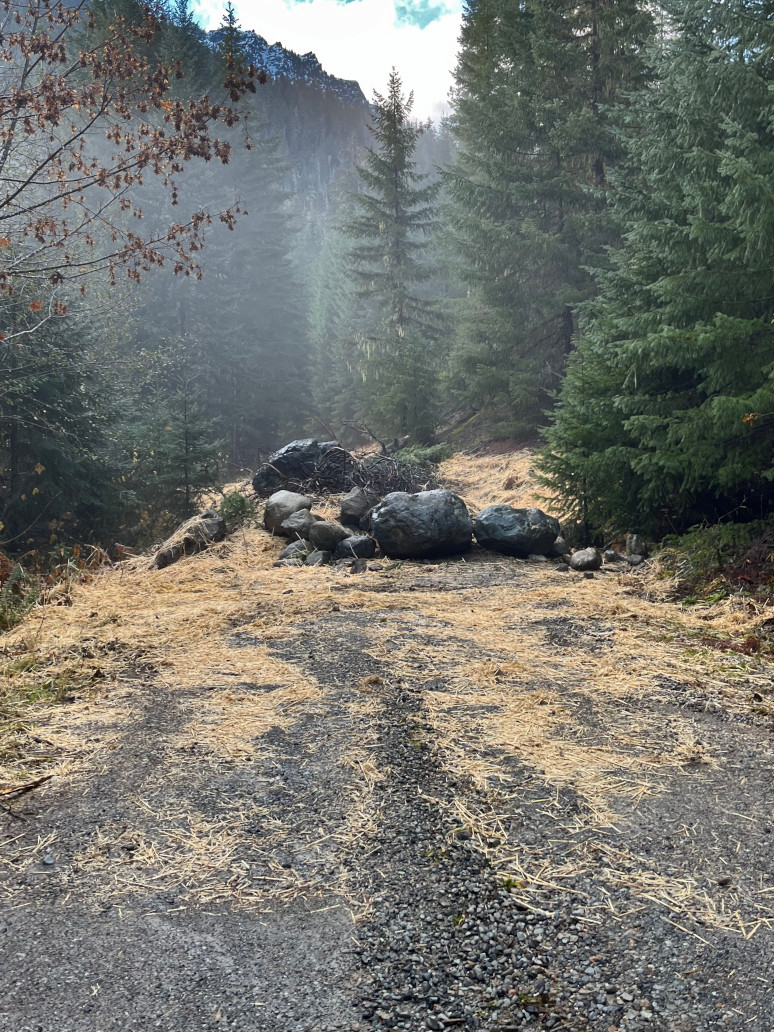
KachessOldParkingClosure
Road closure berm on road to old decommission parking area
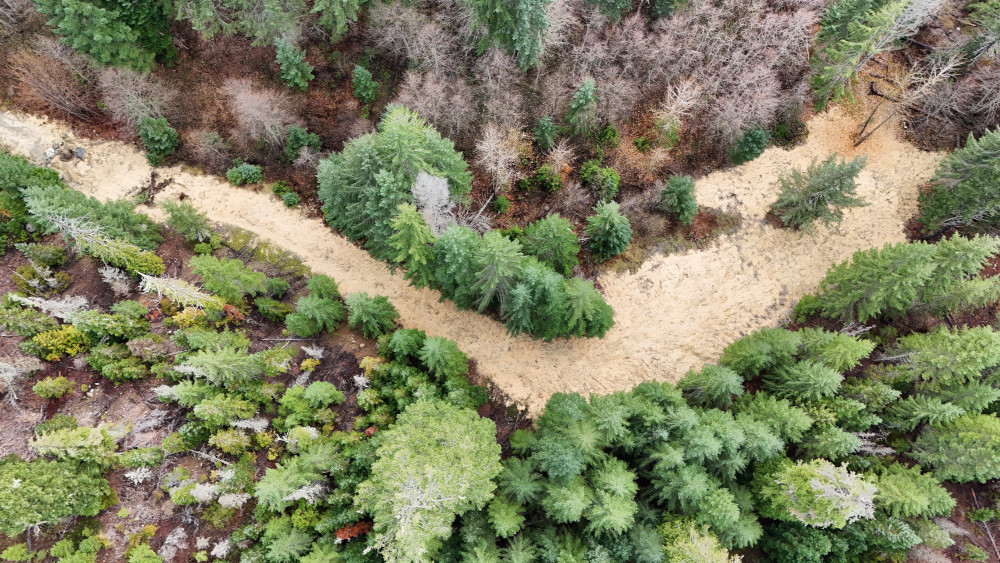
default
Decommissioned old parking area after seeding and planting
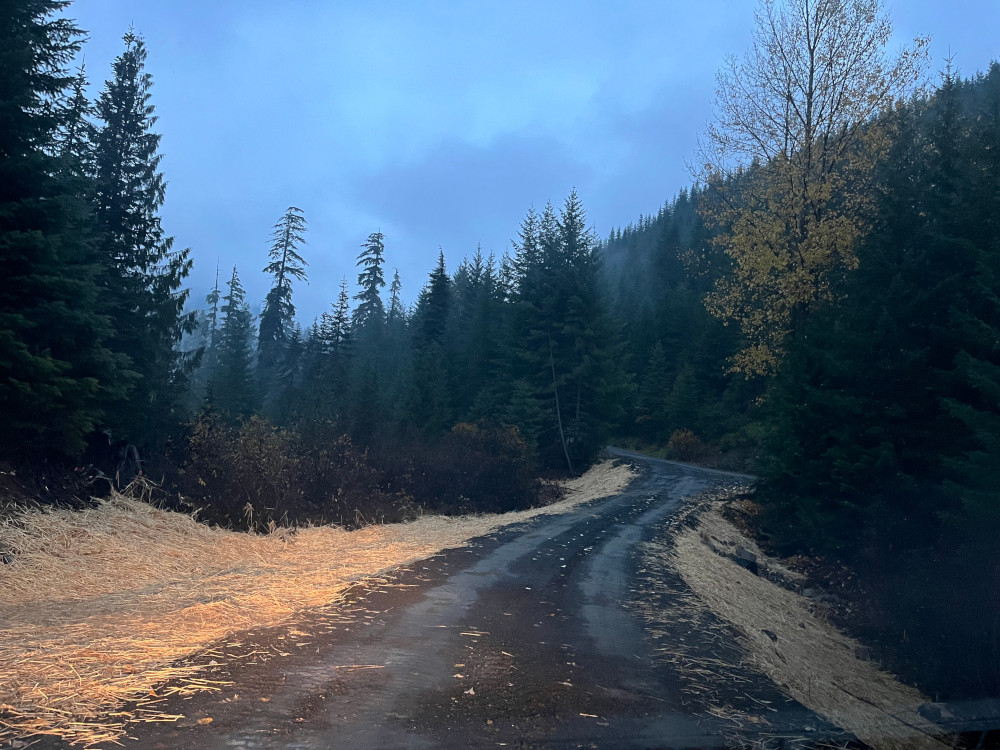
KachessNewRoad
Road to new trailhead and parking area
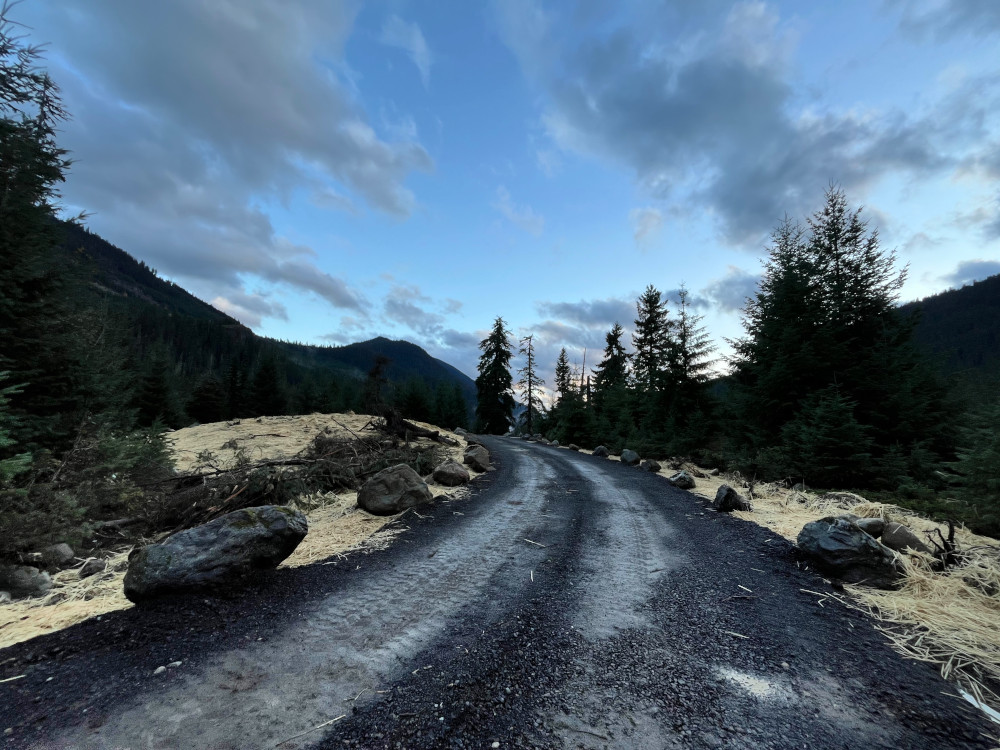
KachessNewParkingAreaEntrance
Entrance to new trailhead and parking area
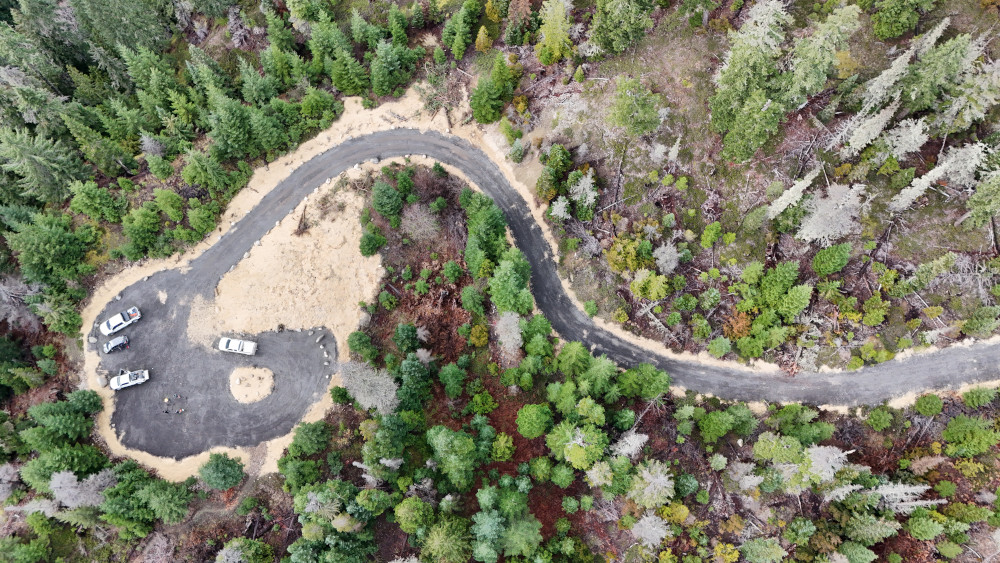
default
Aerial view of the new Mineral Creek Trailhead parking area
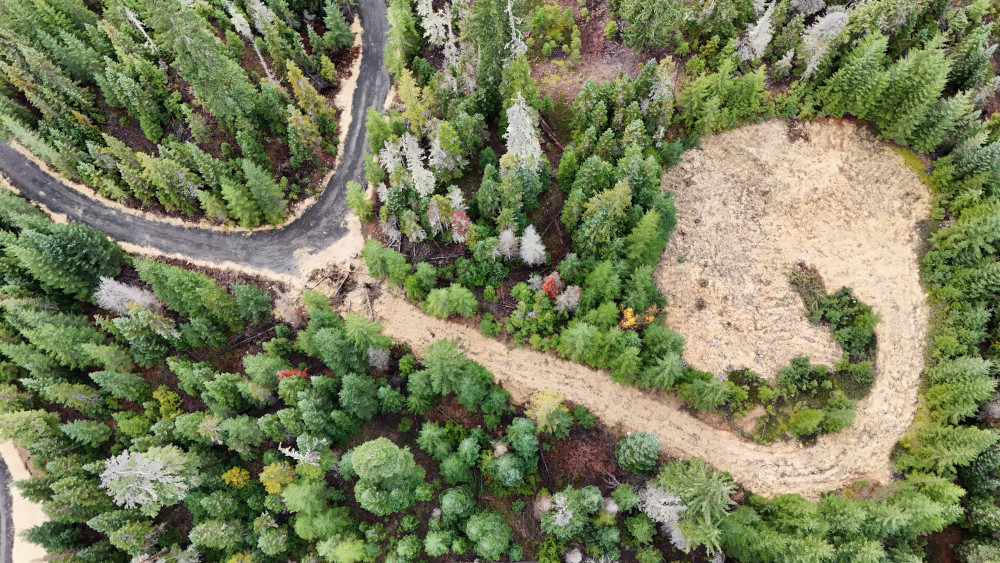
default
Aerial view of decommissioned and closed access rout and staging area